
Gaultheria pyroloides
Gaultheria pyroloides
Description
Growing requirements
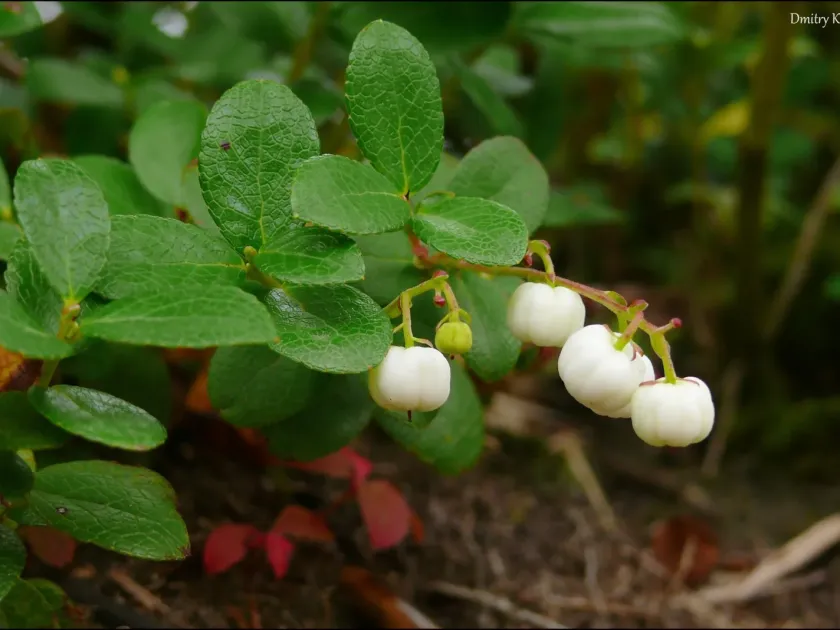
Gaultheria pyroloides is a low-growing evergreen shrub belonging to the Ericaceae family, native to the mountainous regions of the Himalayas and East Asia. This species is highly valued for its compact growth habit and its ability to thrive in cool, moist, and acidic environments.
The cultivation of this plant requires specific soil conditions, primarily a well-drained, acidic substrate rich in organic matter, such as peat or leaf mold. It is essential to ensure that the soil pH remains between 4.5 and 5.5, as the plant cannot effectively absorb nutrients in alkaline or neutral conditions.
Regarding climatic preferences, Gaultheria pyroloides performs best in partial shade, mimicking the conditions of its natural forest habitat. Excessive exposure to intense direct sunlight can scorch the foliage and lead to soil dehydration, which inhibits the plant’s ability to establish a healthy root system.
Standard horticultural practices include maintaining consistent soil moisture, which is vital during the growing season. Applying a generous layer of mulch—specifically pine needles or bark—is highly recommended to retain soil moisture, suppress weed competition, and maintain the necessary acidic environment.
In landscaping, this plant is frequently utilized as a ground cover in rock gardens or as an understory element in rhododendron and heather borders. Its ornamental fruits, which persist long into the autumn, provide significant visual appeal and contrast well with the dark, glossy evergreen foliage.
Main diseases and pests
The primary threats to the health of the plant are soil-borne pathogens, particularly Phytophthora root rot, which typically manifest in waterlogged or poorly drained soils. Providing proper drainage during the planting phase is the most effective preventative measure against these devastating fungal infections.
Pest pressure is generally low, but spider mites and scale insects can become problematic, especially in environments with poor air circulation or during periods of prolonged drought. Monitoring the undersides of leaves and applying appropriate horticultural oils or insecticides can effectively manage these infestations.