
Gaultheria pyrolifolia
Gaultheria pyrolifolia
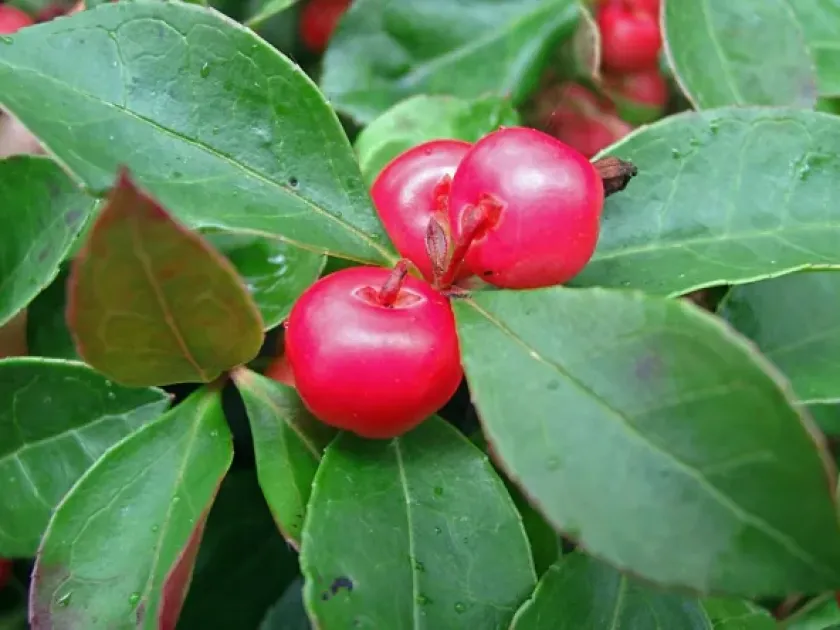
Description
Growing requirements
Gaultheria pyrolifolia is a low-growing evergreen shrub belonging to the Ericaceae family. It is recognized for its neat, compact habit and distinct foliage, which makes it a valuable addition to specialty gardens.
The plant originates from the high-altitude regions of the Himalayas and Southeast Asia. It thrives in cool, humid environments that replicate its native forest understory habitat.
Successful cultivation requires acidic, well-draining soil rich in organic matter. Providing a substrate with a low pH is essential for the healthy development and nutrient uptake of the shrub.
The species prefers semi-shaded locations with protection from intense afternoon sunlight. It is sensitive to heat and dry air, requiring a sheltered site to maintain optimal moisture levels.
Maintenance involves routine mulching with pine needles or acidic peat to preserve soil humidity and temperature. Consistent care ensures the plant remains vigorous throughout the growing season.
Main diseases and pests
Fungal pathogens represent the primary threat to the health of Gaultheria pyrolifolia, particularly when the soil remains consistently waterlogged or air circulation is poor.
Insects like scale or spider mites may occasionally infest the plants, especially in greenhouses or during prolonged dry spells. Early detection is crucial for effective management.
Preventive measures include managing the moisture content of the root zone and ensuring the plants are not spaced too densely, which helps minimize disease risks.
Proper hygiene, such as removing any decaying foliage, significantly reduces the likelihood of infection and helps maintain a healthy growing environment.
Should chemical intervention be required, it is essential to use products designed for Ericaceae to avoid phytotoxicity and ensure effective control of pests or diseases.