
Gaultheria phillyreifolia
Gaultheria phillyreifolia
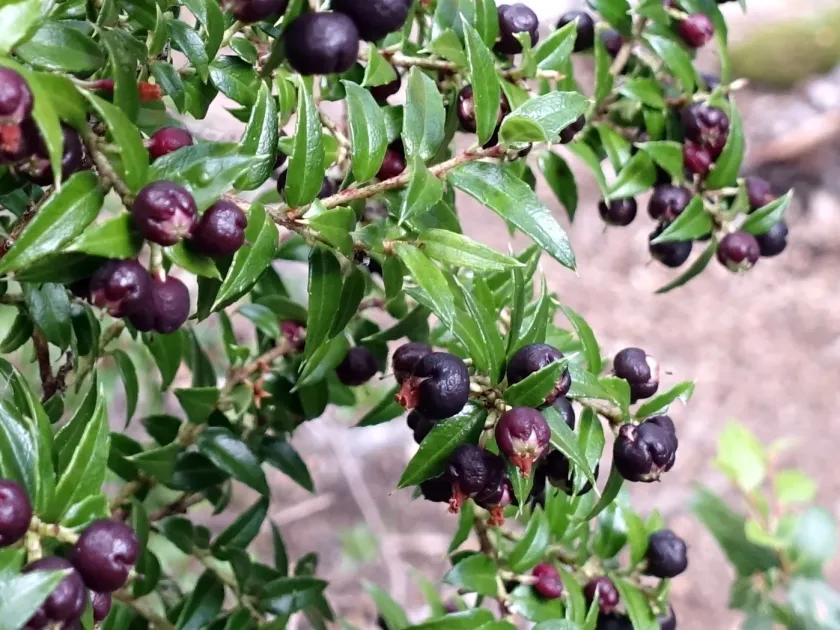
Description
Growing requirements
Gaultheria phillyreifolia is an evergreen shrub belonging to the Ericaceae family. It originates from the mountainous regions of South America, specifically in Chile, where it thrives in cool, moist, and stable environments typical of high-altitude forests.
For successful cultivation, the species requires highly acidic soil with excellent drainage. In agricultural practice, it is essential to mimic forest floor conditions by providing plenty of organic matter, such as leaf mold or pine bark, to maintain the necessary soil pH and moisture levels.
Botanically, the plant is characterized by its leathery, lanceolate leaves and modest, often pendulous flowers. As an evergreen, it maintains its foliage throughout the year, making it a valuable asset for year-round landscape interest in temperate zones that allow for its specific environmental needs.
The climate requirements include protection from extreme heat and intense, direct sunlight. Gaultheria phillyreifolia prefers locations with partial shade, such as under the canopy of larger trees, which provides a natural barrier against wind and prevents the roots from drying out too quickly.
In terms of agricultural and horticultural utility, this plant is primarily used for decorative purposes. It is highly sought after for rock gardens, ericaceous borders, and woodland landscapes where other plants might struggle due to soil acidity or specialized microclimate requirements.
Main diseases and pests
The primary threats to Gaultheria phillyreifolia are related to soil-borne pathogens. Root rot and various fungal wilt diseases are common if drainage is inadequate, leading to waterlogged soil conditions which the plant cannot tolerate.
Pest pressures are generally manageable but may include aphids or spider mites, particularly in greenhouses or sheltered outdoor settings. Maintaining a consistent moisture level and good air circulation around the plants is the most effective cultural method for preventing these common issues.