
Oval-leaf wintergreen
Gaultheria ovatifolia
Description
Sowing dates
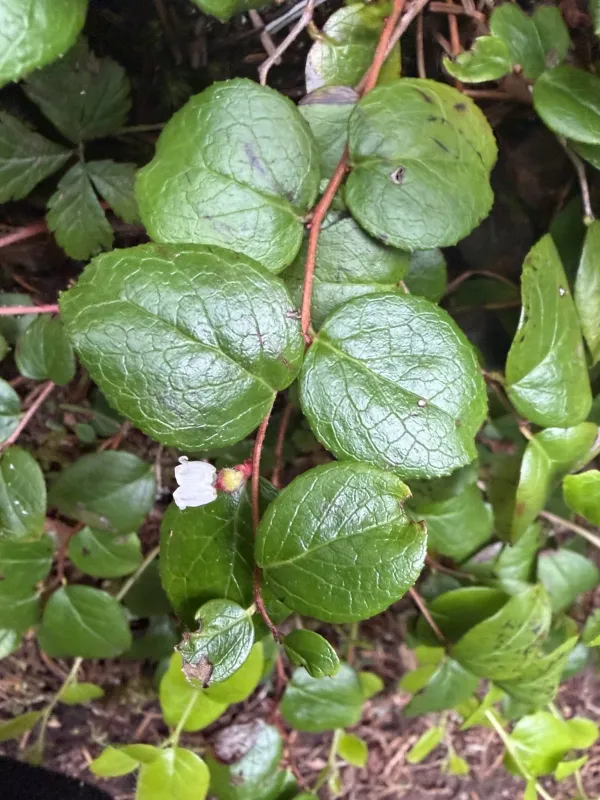
Gaultheria ovatifolia, commonly known as the oval-leaf wintergreen, belongs to the Ericaceae family. It is a low-growing evergreen shrub native to the mountainous forests of western North America.
Propagation is usually achieved through vegetative methods or seeds, which require cold stratification. Seeds should be sown in a light, acidic medium that mimics forest litter to ensure proper germination.
In garden settings, planting should ideally occur in the spring after the risk of frost has passed, allowing the root system to establish itself in the warming soil.
Choosing the right location is critical; the plant thrives in partial shade. Excessive direct sunlight can scorch the foliage and cause severe moisture stress to the plant.
For optimal growth, the site must provide a well-drained substrate enriched with organic matter and pine needles, maintaining a target soil pH between 4.5 and 5.5.
Growing requirements
This species has specific environmental needs, preferring a cool, humid climate. It is highly sensitive to drought and requires consistent moisture to remain healthy and vibrant.
The soil must be loose, humus-rich, and kept consistently moist. Maintaining acidic soil conditions is non-negotiable, as the plant cannot thrive in alkaline environments.
Gaultheria grows best when positioned near other ericaceous or coniferous plants, which help create the specific microclimate and soil fungal balance required for its root system.
In colder regions, it is essential to apply a protective layer of mulch, such as peat or conifer bark, to insulate the roots against freezing temperatures during the winter.
Keeping ambient humidity levels between 60% and 80% is beneficial for vegetative development; therefore, misting the plant during dry periods is highly recommended.
Yield
The primary use of Gaultheria ovatifolia is in ornamental landscaping and for harvesting its edible berries, which carry a unique flavor profile similar to wintergreen.
Yield varies significantly based on environmental conditions. In cultivated gardens, productivity can be boosted by using specific acid-loving fertilizers during the active growing season.
The berries are edible and are often utilized in culinary applications, including desserts, jams, and as flavoring agents for beverages due to the natural presence of methyl salicylate.
Beyond its berries, the plant is prized for its evergreen foliage, which provides year-round aesthetic appeal, making it a valuable addition to rock gardens or woodland plots.
Periodic light pruning encourages new growth, which is essential for ensuring that flower buds develop properly, ultimately leading to a more consistent fruit yield in future seasons.
Main diseases and pests
Common issues include fungal infections caused by over-watering or poor drainage, which can rapidly lead to root rot if the soil remains waterlogged for extended periods.
The shrub is susceptible to grey mold (Botrytis), especially during wet weather or in overcrowded plantings where air circulation is poor, creating a perfect environment for fungal spores.
Spider mites are the most prominent pests, often attacking the plant during hot, dry summer conditions. They feed on the underside of leaves, causing them to yellow and drop prematurely.
Scale insects may occasionally infest the stems, weakening the plant's overall health and potentially inviting secondary pathogens or diseases into the damaged tissue.
Effective management requires proper spacing, regular monitoring for signs of infestation, and the use of targeted fungicides or horticultural oils when symptoms first appear.