
Gaultheria oppositifolia
Gaultheria oppositifolia
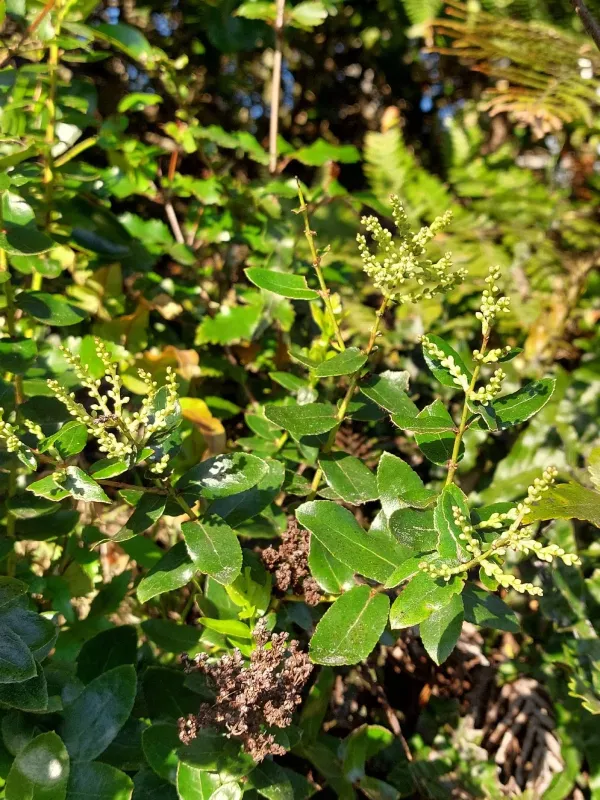
Description
Sowing dates
The propagation of Gaultheria oppositifolia is typically achieved through seeds or semi-hardwood cuttings. Seeds require a period of cold stratification for several weeks to break dormancy and ensure high germination rates when sown in a controlled environment.
Sowing should take place in a well-draining, acidic substrate composed primarily of peat and coarse sand. Maintaining constant humidity is crucial for seed development; however, practitioners must ensure that the growing medium does not become waterlogged.
Vegetative propagation via cuttings is preferred to ensure uniformity in plant characteristics. Cuttings are harvested during the active growing season, treated with rooting hormones, and placed in a misting propagation chamber to facilitate rapid root system establishment.
Transplanting into the permanent site occurs once the risk of frost has passed, usually in late spring or early summer. When moving plants from containers to the field, care must be taken to disturb the roots as little as possible to avoid transplant shock.
Spacing should be optimized based on the desired density of the plantation. Providing sufficient space between individual specimens encourages airflow, which is critical for reducing the microclimate humidity levels that favor fungal pathogen growth.
Growing requirements
As a member of the Ericaceae family, Gaultheria oppositifolia thrives in environments that mimic its natural habitat. The primary requirement is an acidic soil profile, with a pH ranging from 4.5 to 5.5, which is essential for nutrient uptake and overall plant vitality.
Soil texture must be light and friable, rich in organic matter. Heavy or compact soils must be amended with organic compost or peat moss to improve porosity and drainage, as the roots are highly susceptible to oxygen starvation and decay.
The plant demonstrates a preference for locations with partial shade, particularly in regions with hot summers. While it can tolerate sunlight, intense solar radiation combined with low humidity can cause desiccation and leaf tip burn in vulnerable specimens.
Watering requirements remain constant, favoring moderate and consistent moisture. Installation of a drip irrigation system can provide precision water delivery, ensuring that the root zone receives adequate hydration without saturating the surrounding soil layers.
Winter protection is necessary in colder climates. Applying a thick layer of organic mulch around the root zone helps regulate ground temperature and prevents deep soil freezing, which can damage the shallow root systems typical of this species.
Main diseases and pests
Root rot and phytophthora represent the most significant threats to Gaultheria oppositifolia. These pathogens thrive in poorly drained soils and can quickly decimate an entire plantation if the moisture levels are not managed with strict precision.
Early identification of fungal infections is paramount. Symptoms such as leaf yellowing, wilting, or necrotic spots on the foliage necessitate immediate intervention with appropriate fungicides and a thorough review of existing irrigation practices.
Insect pests, including aphids and spider mites, can cause considerable stress to the plants by feeding on plant sap. These infestations not only weaken the shrubs but can also introduce secondary viral or bacterial infections that are difficult to manage.
Integrated pest management strategies should be employed to control pest populations effectively. This includes the use of horticultural oils for minor infestations and targeted systemic insecticides when populations reach the economic threshold of damage.
Regular sanitation, such as the removal of dead wood and fallen foliage, serves as a preventative measure against disease outbreaks. Maintaining a clean growing environment reduces the likelihood of overwintering sites for both insects and fungal spores.