
Gaultheria nubicola
Gaultheria nubicola
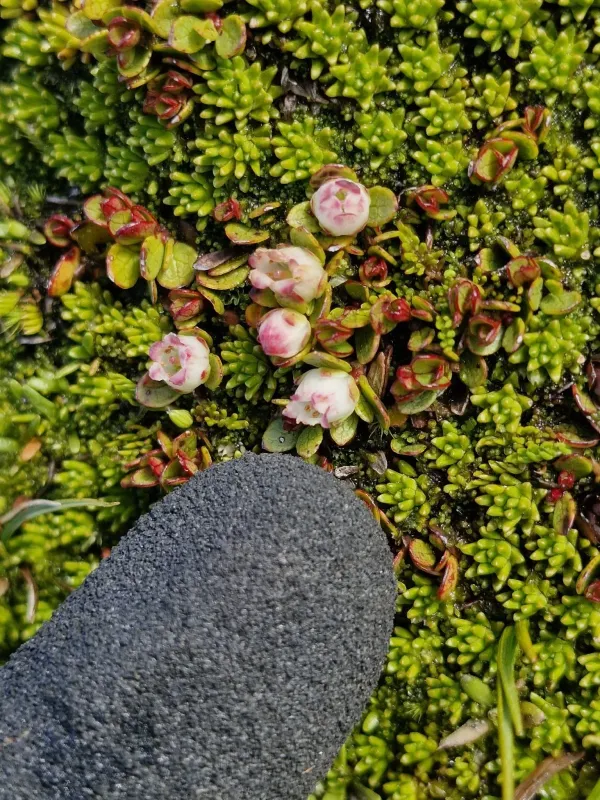
Description
Growing requirements
Gaultheria nubicola is a low-growing shrub belonging to the Ericaceae family, native to the high-altitude regions of the Himalayas. This species is recognized for its unique adaptation to cold climates and rocky, acidic terrains.
Cultivation of this plant requires a specific environment that mimics its natural mountainous habitat. It thrives in cool conditions with constant air humidity and should be protected from intense heat and direct sunlight during summer months.
The soil must be acidic and exceptionally well-drained. A mixture of peat, pine bark, and coarse sand is recommended to ensure adequate oxygen flow to the roots and to prevent water stagnation, which is fatal for the plant.
Agrotechnical practices involve consistent mulching, which helps stabilize soil temperature and maintains the necessary acidity. Fertilizer application should be strictly limited to those designed specifically for ericaceous plants to avoid salt stress.
Regarding its utility, Gaultheria nubicola is primarily cultivated for ornamental purposes in rock gardens, troughs, and as a specialized alpine plant in botanical collections due to its compact growth habit.
Main diseases and pests
The most significant threat to Gaultheria nubicola is root rot, typically caused by waterlogged soil conditions or poor aeration within the cultivation medium.
Pests, particularly spider mites, can become problematic in indoor or greenhouse settings where the humidity levels are not sufficiently maintained for the plant's needs.
Fungal diseases like powdery mildew and various leaf spot pathogens can occur if there is insufficient air movement around the foliage, requiring careful spatial management.
Integrated pest management strategies are recommended, focusing on maintaining optimal soil pH and humidity levels to naturally boost the plant's resilience against infections.
In addition to these, monitoring for soil nematodes is advised during the propagation phase to ensure that initial plant stock remains healthy and vigorous for long-term growth.