
Gaultheria miqueliana
Gaultheria miqueliana
Description
Sowing dates
Propagation of Gaultheria miqueliana is primarily conducted via seeds, which require a period of cold stratification to break dormancy. Seeds should be sown on the surface of a moist, acidic peat-based substrate and kept in cool, bright conditions to simulate their natural mountain habitat.
The germination process is notably slow and requires consistent moisture levels to prevent the seeds from drying out. A greenhouse or a controlled cold frame environment is recommended to maintain the stability of temperature and humidity during the initial growth stages.
Vegetative propagation via stem cuttings is considered the most reliable method for amateur and professional growers. Semi-hardwood cuttings should be harvested in late summer and placed in a rooting medium consisting of sand and peat to encourage rapid root development.
Maintaining high atmospheric humidity around the cuttings is essential for successful propagation. Use of rooting hormones can significantly increase the percentage of successful strikes, ensuring a robust root system before transplanting the young plants into the garden.
Transplanting into final permanent locations should be done during the spring, allowing the root system to establish itself before the arrival of the following winter season. Proper spacing of 30–40 cm ensures that each shrub has enough resources for healthy growth and expansion.
Growing requirements
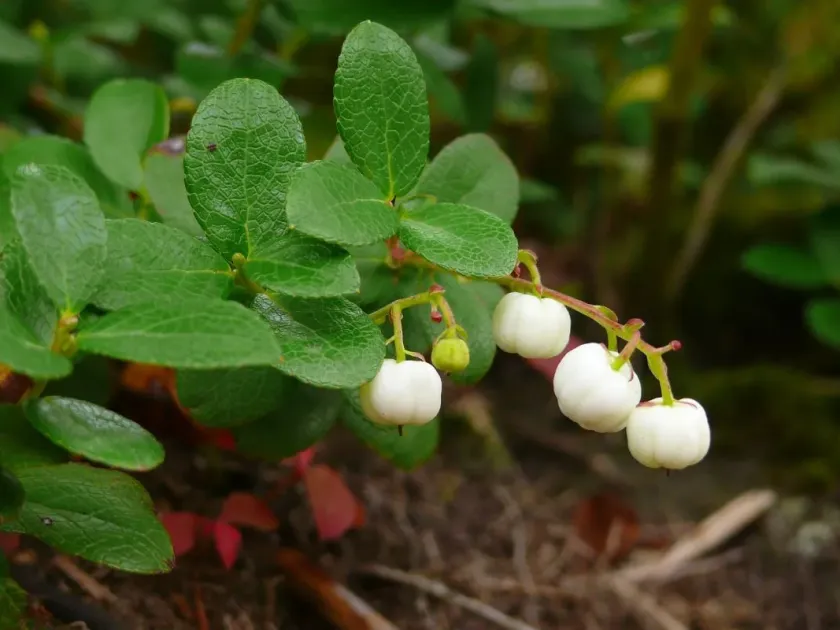
Gaultheria miqueliana is a member of the Ericaceae family, native to the mountainous alpine regions of Japan and the Russian Far East. As an evergreen, low-growing shrub, it is highly valued for its dark green foliage and decorative white berries that persist through the season.
The success of this culture is strictly dependent on soil chemistry. It requires acidic, well-draining soil with a pH between 4.5 and 5.5. Incorporating organic matter such as sphagnum peat and pine needles helps mimic the natural forest floor conditions necessary for its survival.
Regarding climate, this plant thrives in cool, temperate environments. It prefers light shade or locations that provide shelter from the intense afternoon sun, as prolonged exposure to heat can stress the root system and cause leaf scorch.
While extremely cold-hardy, the plant appreciates a layer of mulch during the winter months. This layer helps retain moisture and protects the delicate shallow roots from dramatic temperature fluctuations, which can occur during cycles of freezing and thawing.
Watering must be done with caution, using soft or rain water to avoid alkalinity spikes. Constant waterlogging should be strictly avoided by providing a robust drainage layer during planting, as poor drainage is the primary cause of sudden plant failure in this species.
Main diseases and pests
The primary threats to Gaultheria miqueliana are soil-borne fungal pathogens, such as Phytophthora, which flourish in poorly drained, overly wet soils. Symptoms include wilting and root rot, which are often irreversible once established within the plant's vascular system.
Spider mites are the most common pest, especially in environments where air circulation is poor or humidity levels remain low during the summer months. Regular monitoring of the foliage and increasing localized humidity are effective preventive measures against infestation.
Chlorosis is a common physiological condition caused by an incorrect soil pH or nutrient imbalance. When the soil becomes too alkaline, the plant cannot absorb essential iron, leading to yellowing of the leaves; this is best addressed by amending the soil with sulfur or acidifying fertilizers.
Botrytis, or grey mold, can affect the plant during excessively cool and damp springs or autumns. Ensuring good plant spacing and removing any decaying foliage or infected berries helps minimize the risk of spreading the infection throughout the garden bed.
Rodents may cause mechanical damage to the stems and bark during winter when food sources are scarce. Using protective mesh or repellent sprays is recommended in areas with significant rodent activity to prevent structural damage to the shrub's woody base.