
Gaultheria itoana
Gaultheria itoana
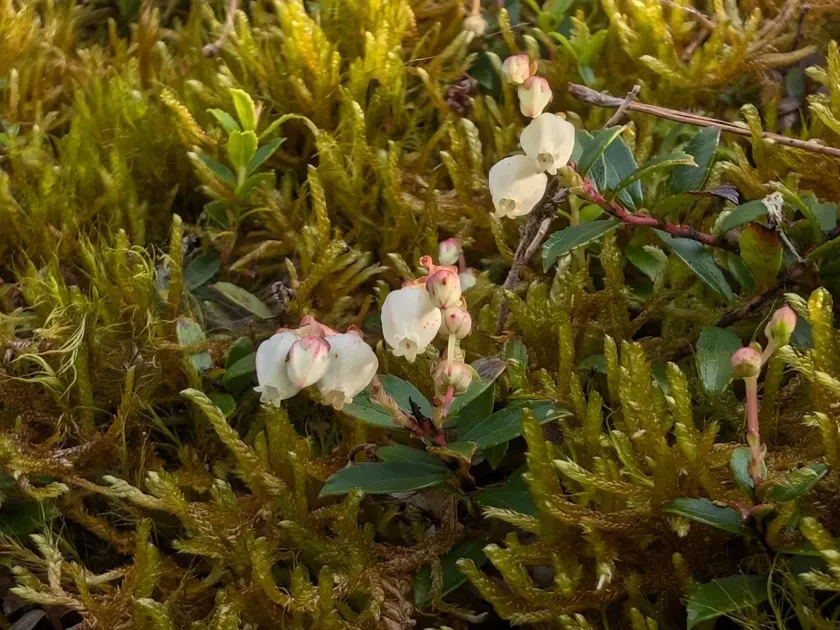
Description
Growing requirements
Gaultheria itoana is an evergreen dwarf shrub belonging to the Ericaceae family. Known for its compact habit and attractive foliage, it is a highly valued ornamental plant often used in rock gardens and landscapes that mimic natural woodland or alpine environments.
Native to the mountainous regions of East Asia, particularly Japan, this species is well-adapted to cool, humid climates. To thrive in a garden setting, it requires conditions that closely mirror its original habitat, including moderate temperatures and consistent environmental moisture.
Cultivation demands specific soil parameters, primarily a highly acidic substrate with a pH level between 4.5 and 5.5. A mixture of peat moss, pine needles, and coarse sand provides the necessary drainage and acidity, preventing the soil from becoming too compacted or alkaline.
Effective water management is the cornerstone of its agronomy. While the plant loves moisture, it is extremely intolerant of waterlogged soil. Proper drainage layers are essential to ensure that excess water can move away from the root zone, preventing potential root decay.
When choosing a planting site, select an area with partial shade. Full sun exposure, especially during the peak of summer, can scorch the foliage and cause the root system to overheat. Providing shelter from strong winds also helps in maintaining the plant's structural integrity.
Main diseases and pests
Fungal diseases are the primary threat to Gaultheria itoana, usually triggered by poor air circulation or excessive moisture levels. Root rot is the most common issue, often resulting from poorly draining soil or irrigation errors that leave the root system submerged in water for extended periods.
Pest pressures primarily include aphids and mites, which can infest the tender tips of new growth. Monitoring for these pests is essential throughout the growing season. Early detection allows for the application of mild insecticidal soaps or horticultural oils to manage populations effectively.
Prevention involves maintaining an optimal environment that discourages pathogens. Ensuring proper spacing between individual plants is vital for airflow, which significantly reduces the risk of leaf spots, powdery mildew, and other humidity-related fungal complications.
Nutritional health and soil chemistry are linked to plant immunity. If the soil pH rises above the target range, the plant may suffer from iron chlorosis, making it increasingly vulnerable to secondary pests and environmental stress. Maintaining acidity is a proactive defense measure.
In regions with harsh winters, providing winter protection is recommended. Applying a thick mulch layer of pine bark or needles around the base protects the roots from deep freezing, while light cover with breathable fabrics can protect the foliage from winter windburn and sun damage.