
Gaultheria hybrids
Gaultheria hybrids
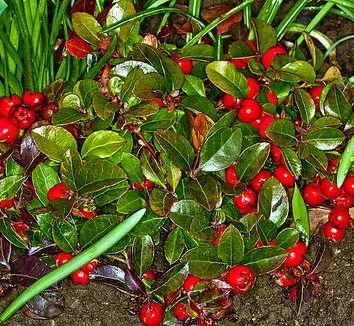
Description
Growing requirements
Gaultheria hybrids belong to the Ericaceae family, encompassing various cultivars bred for their ornamental foliage and attractive berries. These evergreen shrubs are derived from species native to temperate regions of North America and Asia, thriving in cool, moist environments.
These plants have specific soil requirements, demanding acidic conditions with a pH range between 4.5 and 5.5. A well-draining, loose substrate composed of peat, pine needles, and sand is ideal for healthy root development and efficient nutrient uptake.
The climate requirements include partial shade and protection from harsh, dry winds. Gaultheria hybrids perform best in cool regions where the atmosphere remains humid, preventing the foliage from scorching during hot summer months or drying out in winter.
Maintenance involves consistent watering, ensuring the soil remains moist without becoming waterlogged. Mulching with organic material like pine bark is highly recommended, as it preserves moisture, insulates the roots, and sustains the acidity of the soil over time.
In landscaping, Gaultheria hybrids are primarily utilized for ground cover, rock gardens, and container planting. Their ability to retain brightly colored berries throughout late autumn and winter makes them a highly valued aesthetic choice for year-round garden interest.
Main diseases and pests
The most common disease affecting Gaultheria hybrids is Phytophthora root rot, which is typically induced by poor soil drainage and waterlogging. Additionally, fungal leaf spot infections can occur in areas with stagnant air and consistently high humidity levels.
Pest threats include scale insects and spider mites, which can drain the plant's vitality. Scale insects often hide on the undersides of leaves, while spider mites cause foliage discoloration and loss of vigor, especially during prolonged dry spells.
Pest management relies on using targeted insecticides or miticides. Keeping the plant healthy through correct soil pH and proper spacing significantly reduces the susceptibility to infestation and allows the shrub to better recover from minor pest damage.
Cultural prevention is the most effective approach. This includes ensuring adequate air circulation around the plants, avoiding overhead watering in the evening, and promptly removing any dead or diseased branches to prevent the spread of fungal spores.
Regular monitoring of the plant's health is essential. If symptoms of infection appear, fungicides containing copper can be applied as a curative measure, provided that the underlying environmental conditions have been corrected to stop the further progression of the disease.