
Gaultheria hookeri
Gaultheria hookeri
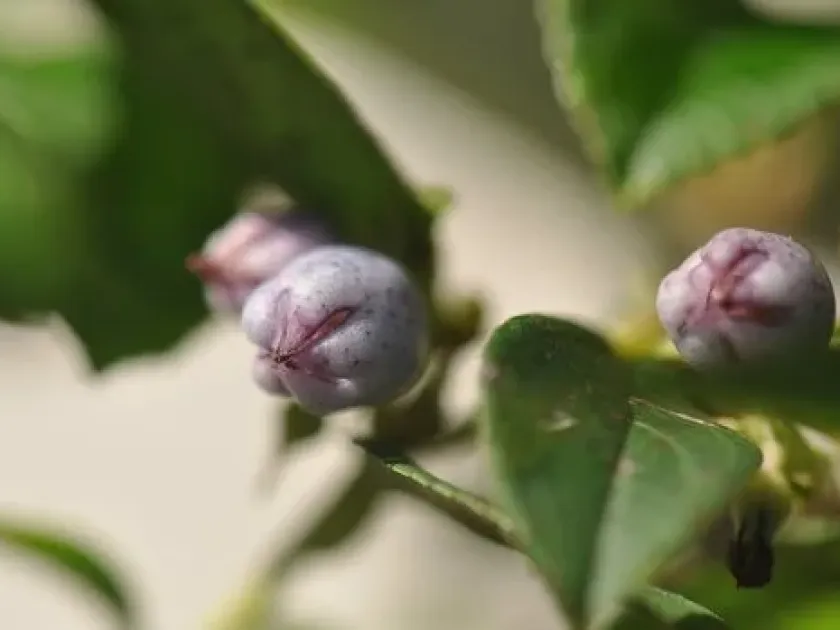
Description
Growing requirements
Gaultheria hookeri is an evergreen shrub belonging to the Ericaceae family. Originating from the Himalayan regions, this plant thrives in cool, humid forest environments, often found under the canopy of mixed-coniferous woodlands.
The primary requirement for successful cultivation is an acidic, well-draining soil rich in organic matter. Gardeners must ensure the growing medium mimics the forest floor, typically achieved by incorporating peat moss, pine needles, and specialized compost to maintain a low pH level.
Site selection is critical for this species. It prefers partial shade and protection from harsh, direct sunlight. Consistent high air humidity is beneficial, making it an excellent choice for sheltered woodland gardens or damp, shaded borders.
Water management is vital, as the root system is sensitive to both prolonged drought and waterlogging. Regular irrigation with soft, non-alkaline water is recommended to maintain optimal moisture levels without suffocating the roots.
From a horticultural perspective, Gaultheria hookeri is valued for its compact growth habit and ornamental foliage. It is frequently employed in rock gardens and landscapes where a low-maintenance, evergreen presence is desired throughout the seasons.
Main diseases and pests
Root rot, primarily caused by Phytophthora species, remains the most significant threat to Gaultheria hookeri. Excess soil moisture and poor drainage often lead to these infections, which can be irreversible once symptoms appear.
Insect pests such as scale insects and aphids may occasionally infest the plants, particularly in overcrowded conditions. Integrated pest management, focusing on early detection and biological control, is preferred over the use of harsh systemic pesticides.
Iron-deficiency chlorosis is a frequent issue when the soil pH rises above the optimal range for the species. This condition presents as yellowing leaves while the veins remain green, necessitating soil acidification to restore normal physiological function.
Winter desiccation is a common risk for evergreen shrubs when the ground is frozen. Providing adequate moisture in late autumn and using a thick layer of organic mulch can help protect the roots and reduce water loss from the foliage.
Fungal leaf spots can develop in environments with poor air circulation. Proper spacing during planting and keeping the leaf surface dry whenever possible help minimize the spread of fungal spores and ensure the long-term health of the shrub.