
Creeping snowberry
Gaultheria hispidula
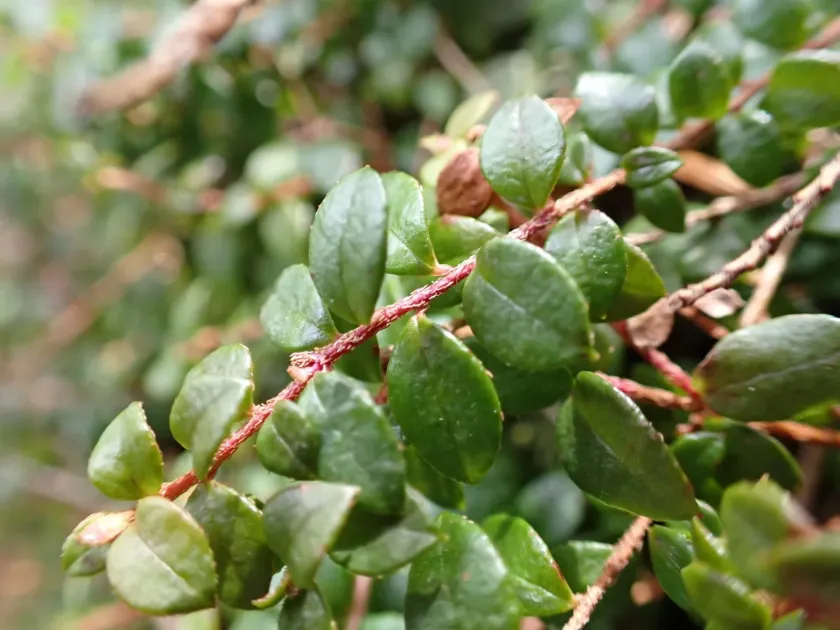
Description
Growing requirements
Gaultheria hispidula, commonly known as creeping snowberry, is a low-growing, evergreen shrub belonging to the Ericaceae family. It is native to the boreal forests and bogs of North America, where it thrives in cool, acidic, and shaded environments.
For successful cultivation, the plant requires specific soil conditions. It prefers highly acidic, organic-rich substrates such as peat or pine needle mulch. The soil must remain consistently moist but possess excellent drainage to prevent root rot.
The climate requirements for creeping snowberry are strict. It demands a cool summer climate and high atmospheric humidity. It is sensitive to heat stress, meaning it should be planted in semi-shaded areas where it is protected from direct, intense sunlight.
In terms of agricultural practice, maintaining soil pH between 4.5 and 5.0 is critical. Lime and other alkaline amendments should be avoided at all costs, as they inhibit the absorption of necessary micronutrients and lead to leaf chlorosis.
During the winter, the plant benefits from a reliable snow cover, which acts as natural insulation against extreme frost and desiccation. If grown in containers or exposed gardens, additional protective mulching is recommended.
Yield
The primary economic use of Gaultheria hispidula lies in its edible white, translucent berries. These fruits offer a distinct, refreshing flavor, often described as a delicate blend of mint and wintergreen, making them highly prized for niche culinary applications.
The plant is increasingly recognized for its ornamental potential. Its trailing habit and evergreen leaves make it an excellent choice for ground cover in woodland gardens or specialized rock gardens designed for ericaceous plants.
Leaves can be harvested for herbal teas, which are traditionally valued for their aromatic and refreshing qualities. The presence of essential oils gives the plant a pleasant scent that persists even after careful drying.
Commercial yields are generally modest and best suited for small-scale specialty berry farming. Proper pollination by native insects during the spring blooming season is essential to ensure a satisfactory fruit set.
Harvesting is typically performed by hand. Due to the delicate nature of the white berries, they should be collected carefully and kept cool to maintain their appearance and flavor profile for the market.
Main diseases and pests
Root rot, caused by poor drainage and water stagnation, is the most common threat to creeping snowberry. Maintaining the balance between consistent moisture and soil aeration is the primary challenge in its agronomy.
Pests such as spider mites may become problematic during dry, hot spells. Implementing a light misting schedule during these periods can effectively prevent mite infestations and maintain the plant’s vitality.
Slugs and snails can pose a threat to the tender foliage, particularly in damp and sheltered locations. Simple physical barriers or organic deterrents are often sufficient to manage these populations without the need for harsh chemicals.
Fungal infections can occur if plants are overcrowded, leading to poor air circulation. Proper spacing during initial planting is an essential preventive measure to reduce the risk of leaf spot and other fungal diseases.
Avoid excessive nitrogen fertilizer application, as it can result in succulent growth that is more susceptible to both insect attacks and winter damage. A balanced, organic-based approach to nutrition is preferable.