
Gaultheria hispida
Gaultheria hispida
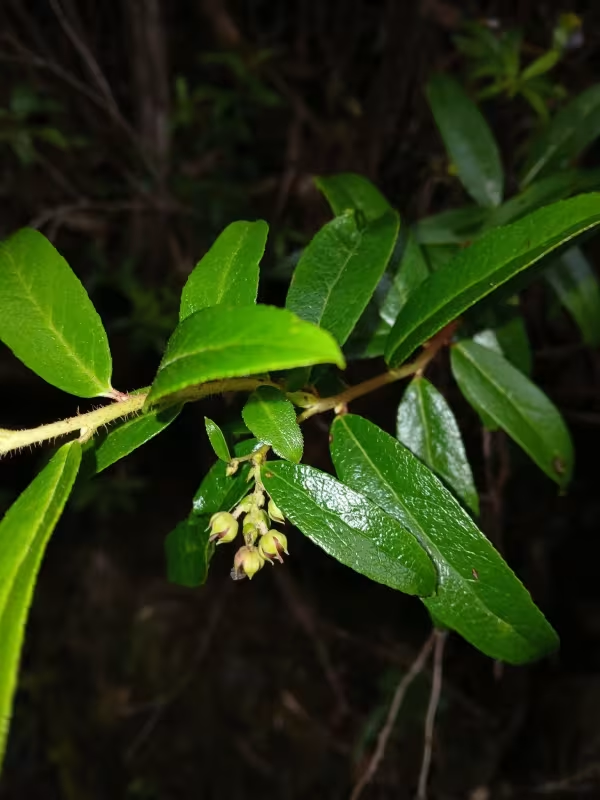
Description
Growing requirements
Gaultheria hispida, commonly known as the copper-berry, is an evergreen shrub belonging to the Ericaceae family. Native to the mountainous regions of Tasmania, it thrives in cool, moist environments where the air remains fresh and temperature fluctuations are minimal.
This plant requires acidic, well-draining soil rich in organic matter. Gardeners must ensure the soil mimics the natural conditions of a forest floor, utilizing leaf mould or peat-based compost to achieve the desired acidity level.
Light requirements for Gaultheria hispida are strict: it prefers semi-shaded conditions. Direct sunlight, especially in the afternoon, can scorch the glossy leaves and dry out the delicate root system, leading to poor plant health.
The climate must be temperate. While the plant is hardy, it requires protection from harsh, drying winds and extreme frost. In colder regions, a thick layer of mulch around the base of the plant is essential to preserve soil moisture and regulate root temperature.
Effective irrigation is a cornerstone of its cultivation. The species is highly sensitive to calcium and chlorine, so using distilled or rainwater is recommended to avoid altering the soil pH and inducing leaf chlorosis.
Yield
Gaultheria hispida is primarily cultivated for its striking aesthetic appeal. It produces small, white, fleshy fruits that sit against the backdrop of dark green foliage, making it a prized specimen for ornamental horticulture.
The berries are edible and have a unique, pleasant flavor profile typical of the Gaultheria genus. While not a large-scale commercial crop, they are often used in specialty culinary applications where their decorative look is as important as their taste.
Yields are maximized through regular, light pruning. Removing weak growth and shaping the shrub ensures that the plant directs energy into healthy new shoots, which subsequently bear more flowers and, eventually, more fruit.
In nursery production, propagation is typically managed through cuttings or seeds, though the latter can be slow to germinate, requiring a period of stratification to mimic natural mountain conditions.
Harvesting the berries is usually done by hand, as the fruits are delicate and prone to bruising if handled roughly. Properly harvested fruit can be stored for short periods if kept in cool, airy conditions.
Main diseases and pests
Root rot is the most significant threat to the survival of Gaultheria hispida. This condition is almost always a result of poor drainage or overwatering, which creates an anaerobic environment where pathogens can thrive.
Pests such as spider mites and scale insects may infest the foliage, particularly if the plant is grown in a greenhouse or an area with stagnant airflow. These pests weaken the plant by sap-feeding, leading to yellowing leaves.
Nutrient deficiency, specifically iron, is common if the soil pH drifts toward neutral or alkaline. This results in interveinal chlorosis, which can significantly stunt the growth and fruit production of the shrub.
To mitigate these risks, growers should maintain adequate spacing between plants to allow for proper air circulation. This simple practice significantly reduces the incidence of powdery mildew and other fungal diseases.
The use of balanced, acid-loving plant fertilizers at low concentrations can help the plant build natural resistance to common stressors, ensuring a long and productive life cycle.