
Gaultheria griffithiana
Gaultheria griffithiana
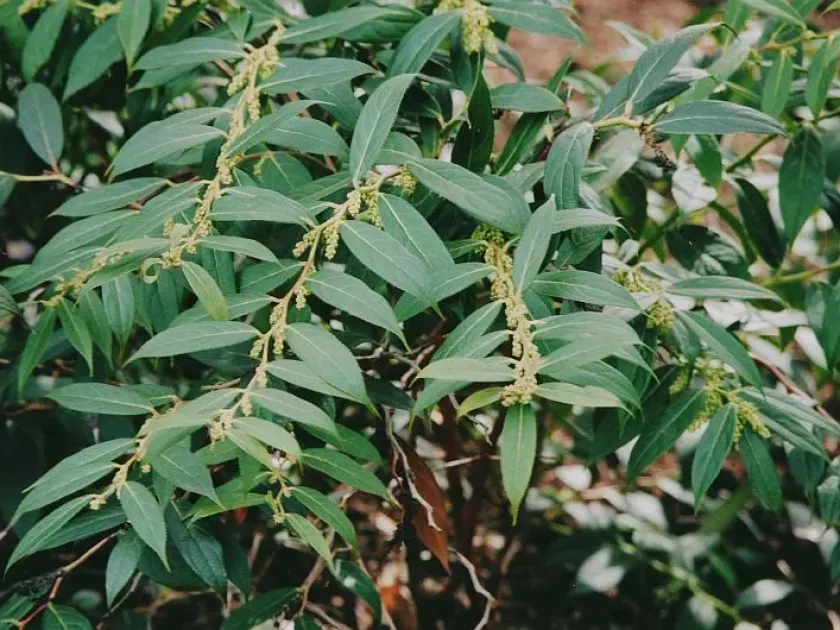
Description
Growing requirements
Gaultheria griffithiana is a distinctive evergreen shrub belonging to the Ericaceae family. Native to the mountainous regions of the Himalayas and parts of Southeast Asia, it is recognized for its glossy foliage and ornamental berries.
Successful cultivation of this species requires well-drained, acidic soil rich in organic matter. Like many Ericaceae members, it is highly intolerant of alkaline conditions, which can inhibit nutrient uptake and cause leaf yellowing.
The plant thrives in dappled shade or partial light, as intense direct sunlight can scorch its leaves. It prefers regions with high humidity and consistent, moderate temperatures throughout the growing season.
A fundamental requirement for this culture is irrigation with soft, lime-free water. Rainwater is the best choice to maintain the specific pH levels of the substrate required for root health and vitality.
Regular mulching with organic material such as pine needles, leaf mold, or peat is essential. This practice helps maintain soil moisture levels and preserves the acidity of the rhizosphere, which is vital for the growth of the shrub.
Main diseases and pests
Phytophthora root rot is one of the most severe threats to Gaultheria griffithiana, especially in waterlogged soils. Ensuring excellent drainage is the most effective preventative measure against this pathogen.
Insects like spider mites can cause significant damage during hot, dry spells by sucking sap from the leaves. Maintaining a humid environment around the plants can naturally deter these pests from establishing colonies.
Fungal leaf spots may occur if the foliage remains wet for extended periods in stagnant air. Pruning for better air circulation and avoiding overhead watering are recommended practices to minimize this risk.
Scale insects can occasionally infest the stems, requiring manual removal or the application of horticultural oils. Monitoring the plant regularly allows for early detection before an infestation becomes widespread.
To keep the plant healthy, avoid any cultivation near the shallow root zone, as root damage predisposes the shrub to various secondary infections. Maintaining a thick layer of mulch prevents weeds and protects roots from temperature extremes.