
Gaultheria fragrantissima
Gaultheria fragrantissima
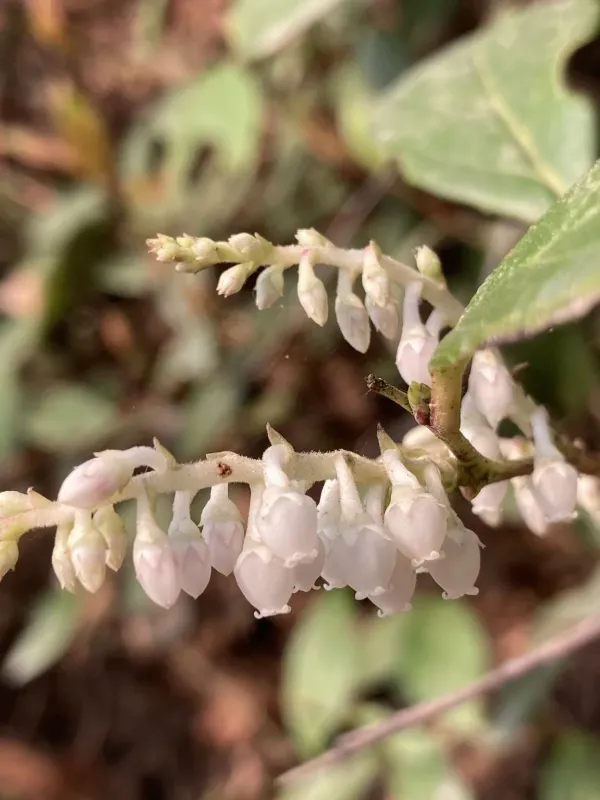
Description
Sowing dates
Cultivation of Gaultheria fragrantissima typically begins with the preparation of seeds, which require a period of cold stratification to ensure uniform germination.
Seeds are sown in a light, acidic medium, preferably a mix of peat and perlite or pine needles, to simulate their natural forest environment.
Maintaining high humidity and temperatures between 18 and 22 degrees Celsius is crucial during the initial seedling establishment phase.
Vegetative propagation is also widely used, involving semi-hardwood cuttings taken during the growth period to maintain the genetic purity of high-oil varieties.
Proper sanitation of tools and substrate is essential to prevent early-stage damping-off, which is a common challenge for young Ericaceae plants.
Growing requirements
Gaultheria fragrantissima is a resilient evergreen shrub belonging to the Ericaceae family, native to the high-altitude forests of the Himalayas.
The plant strictly requires acidic soil, preferably with a pH ranging from 4.5 to 5.5, and a substrate rich in organic matter and well-decomposed leaf litter.
Climatic conditions should favor moderate temperatures, avoiding extreme heat or dry winds which can severely dehydrate the foliage.
Partial shade is necessary, as the plant naturally grows under the canopy, meaning direct sun exposure must be limited to prevent leaf burn.
Consistent soil moisture is vital; however, the root system is highly sensitive to waterlogging, necessitating the installation of effective drainage systems.
Yield
The primary agricultural output of this crop is the essential oil, widely known as wintergreen oil, extracted through steam distillation of the leaves.
The oil is exceptionally rich in methyl salicylate, an active ingredient highly valued in the pharmaceutical industry for its analgesic and anti-inflammatory properties.
Yield efficiency depends on the maturity of the plants, the harvest season, and the specific distillation protocols used to extract the volatile compounds.
Beyond oil production, the shrub is increasingly used in the cosmetic sector for its distinct, refreshing scent and therapeutic properties in skin care formulations.
Market demand for organic, natural sources of methyl salicylate provides a steady economic incentive for cultivating this aromatic plant species.
Main diseases and pests
Phytophthora root rot remains the most serious threat to Gaultheria fragrantissima, especially in fields with suboptimal drainage or excessive soil moisture.
Foliar fungal pathogens such as powdery mildew can affect the plant during periods of high humidity and poor air circulation within the plantation.
Spider mites are common pests that thrive in dry air, causing stippling on leaves and a general decline in the plant's metabolic activity.
Root-knot nematodes can severely limit the growth of the shrub by damaging the root hairs, requiring pre-planting soil treatments to ensure crop longevity.
Effective management includes regular monitoring, the use of preventative fungicides, and maintaining proper plant spacing to allow for adequate airflow.
Harvesting
The harvest strategy focuses on collecting leaves when the concentration of essential oil is at its peak, which typically occurs during the active growth phase.
Methods involve selective harvesting of foliage, ensuring that the structural integrity of the shrub remains intact for future production cycles.
Post-harvest handling is critical, as leaf material must be moved to the distillation facility quickly to prevent the loss of volatile essential oil components.
If drying is required, it must be performed in a cool, shaded environment to preserve the chemical composition of the delicate leaves.
Mechanical harvesting equipment must be calibrated to avoid bruising the leaves, which could trigger premature oxidation of the plant's aromatic compounds.