
Gaultheria eriophylla
Gaultheria eriophylla
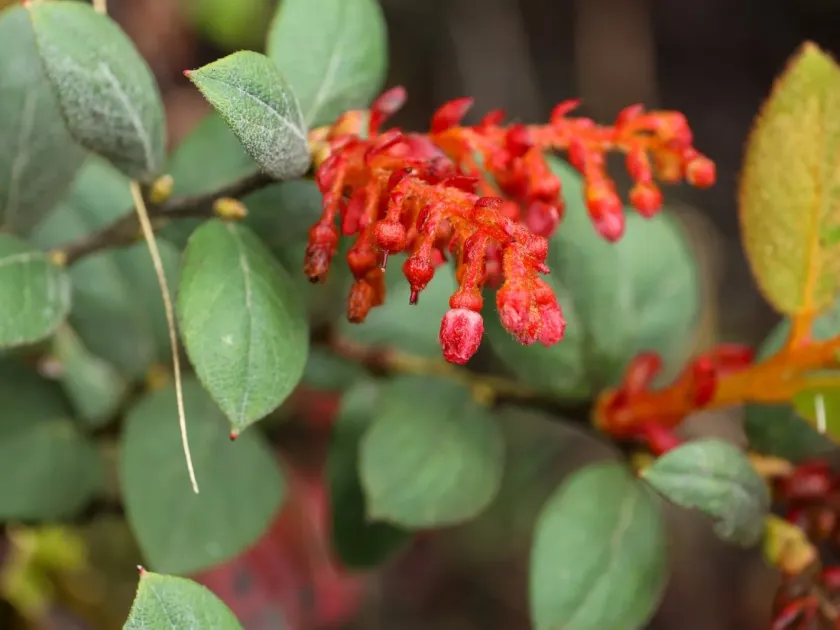
Description
Growing requirements
Gaultheria eriophylla is an evergreen shrub belonging to the Ericaceae family. Known for its aesthetic appeal and specific environmental needs, this plant requires precise management to maintain its health and vigor in horticultural or agricultural settings.
The plant thrives in acidic, well-draining soils rich in organic matter. An optimal pH range of 4.5 to 5.5 is essential, as the species is highly sensitive to alkaline conditions and the presence of lime, which can inhibit nutrient uptake and lead to chlorosis.
Partial shade is the ideal exposure for Gaultheria eriophylla, as direct intense sunlight can scorch the leaves and dehydrate the plant. It performs best in environments with high ambient humidity, simulating the natural understory conditions of its origin.
Temperatures ranging from 15°C to 22°C are considered optimal for steady growth. Consistent soil moisture is vital; therefore, irrigation should be frequent but controlled to avoid waterlogging, which the plant cannot tolerate due to its delicate root system.
Mulching with pine needles or similar acidic organic materials is a standard practice to preserve soil moisture and regulate temperature. This practice also helps maintain the required soil acidity level throughout the growing season.
Main diseases and pests
Fungal pathogens represent the primary threat to this crop, particularly root rot and Phytophthora. These diseases are most common in saturated soils with poor drainage, emphasizing the importance of site preparation and proper irrigation techniques.
Powdery mildew may occur if air circulation is inadequate, especially in densely planted areas. Proper spacing between individual plants is necessary to ensure good ventilation and reduce the prevalence of fungal spores on the foliage.
Spider mites are common pests that thrive in dry environments. Monitoring the underside of the leaves is crucial for early detection, and integrated pest management strategies should be applied before infestations become severe.
Nematode infestations can severely compromise root health, leading to stunted growth and leaf discoloration. The use of sterile, high-quality growing media is the most effective preventative measure against these soil-borne pests.
Regular sanitation, including the removal of dead or dying branches, is an essential agronomic practice. By keeping the plant clean and providing adequate airflow, growers can significantly reduce the risk of disease outbreaks and ensure long-term vitality.