
Gaultheria depressa
Gaultheria depressa
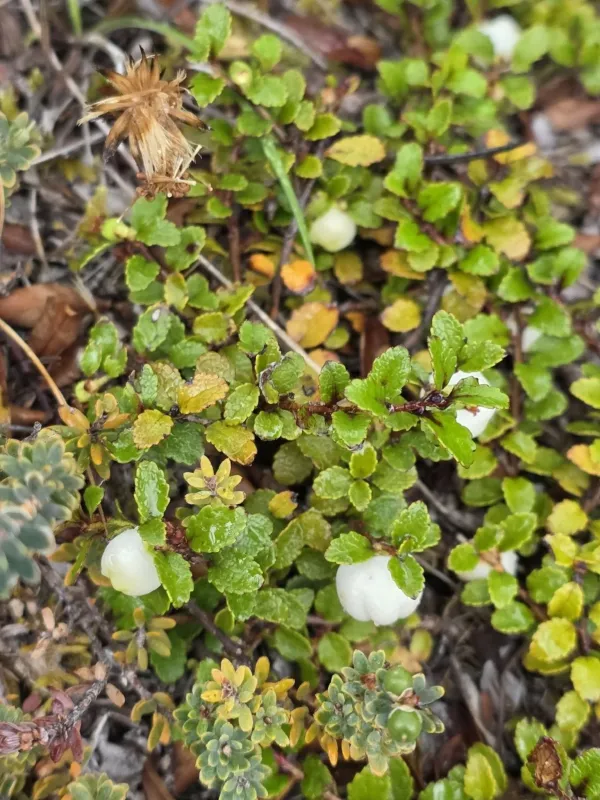
Description
Growing requirements
Gaultheria depressa, a low-growing evergreen shrub belonging to the Ericaceae family, originates from the mountainous regions of New Zealand. It is highly valued in specialty gardening for its compact habit and attractive fruit.
The plant requires acidic, well-draining soils with high organic matter content. It thrives best in substrates that mimic forest floor conditions, often preferring a mixture of peat, sand, and pine needles.
Climatic requirements focus on cool summers and high atmospheric humidity. In arid regions, it is essential to provide shade and supplemental misting to prevent heat stress and foliage desiccation.
Proper water management is critical, as Gaultheria depressa is sensitive to both extreme drought and waterlogged conditions. The soil should remain consistently moist but never saturated to prevent root rot.
Maintenance includes periodic mulching with coniferous bark or needle litter, which helps maintain soil pH levels and protects the shallow root system from extreme temperature fluctuations.
Main diseases and pests
Spider mites are the most common pest, particularly in greenhouses or sheltered areas with poor air circulation and low relative humidity levels during the growing season.
Phytophthora root rot poses a significant threat if drainage is inadequate, leading to rapid decline of the shrub, especially during rainy periods or excessive irrigation.
Powdery mildew can infect foliage during warm and humid weather, necessitating improved spacing and good ventilation between individual plants to mitigate the risk.
Nematodes can cause significant damage to the root system, often resulting in stunted growth; therefore, starting with sterilized potting media is highly recommended.
Early identification of chlorosis is crucial; this condition is usually indicative of an improper pH balance, requiring immediate amendment of the soil acidity level.