
Fritillaria tubiformis
Fritillaria tubiformis
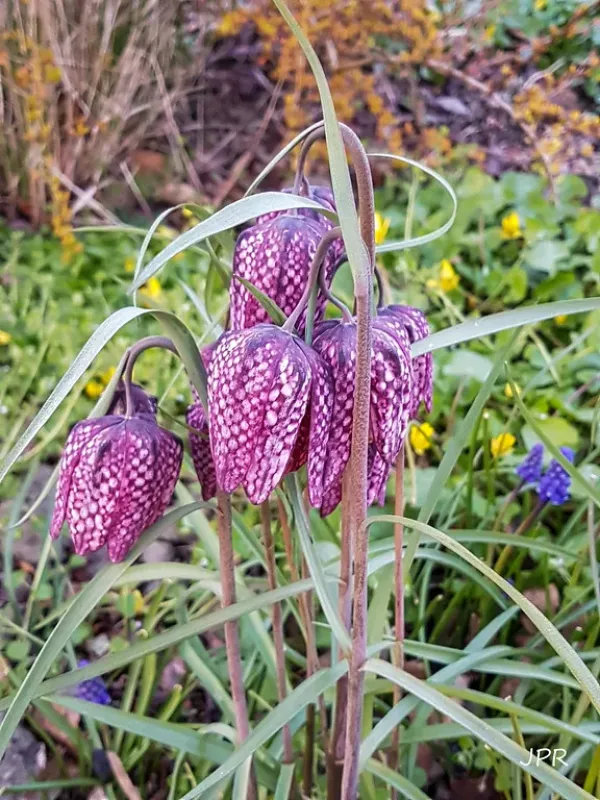
Description
Sowing dates
Fritillaria tubiformis is a typical ephemeral, meaning the optimal time for planting its bulbs is late August to early September. This period allows the plant to establish a root system before the onset of frost, which is vital for spring growth.
Spring planting is generally discouraged as it often prevents the bulb from cooling properly, which is necessary for triggering the flowering cycle. Bulbs should be planted at a depth of 10 to 15 centimeters depending on their size.
It is crucial to select sites with excellent drainage, as standing water during the dormant period can easily cause the base of the bulb to rot. A planting distance of 20 to 25 centimeters is recommended for optimal spacing.
Preparing the soil with well-rotted compost provides the necessary nutrients while improving the texture for root penetration. Placing a layer of sand under the bulb during planting is a common professional practice to prevent moisture buildup.
After planting, applying a thin layer of mulch, such as peat or dry leaves, helps maintain a stable soil temperature. This practice also protects the bulb from premature sprouting during minor warm spells in late winter.
Growing requirements
This species, part of the Liliaceae family, is an alpine plant that requires very specific environmental conditions to thrive. In its natural habitat, Fritillaria tubiformis is found on rocky mountain slopes, highlighting its need for aeration.
The plant thrives in moderately moist but highly breathable soils with a neutral or slightly alkaline pH. Heavy clay soils are unsuitable, and in garden settings, installing a dedicated drainage layer is often necessary for long-term survival.
Full sun is ideal for growth, although partial shade during the hottest hours of the day can prolong the blooming period. It is essential to ensure that the soil remains relatively dry during the summer dormancy phase.
Cool nights combined with mild daytime temperatures during the spring promote strong stems and vibrant blossoms. Excessive heat and moisture stagnation in late spring can cause the foliage to decline prematurely, shortening the season.
Agrotechnical maintenance requires minimal soil disturbance, as the root systems are sensitive to mechanical damage. Irrigation should be applied directly to the soil surface to keep the foliage dry and reduce the risk of mildew.
Main diseases and pests
The primary threats to Fritillaria tubiformis are fungal diseases that emerge under conditions of high humidity. Root and bulb rot, frequently caused by Fusarium species, are the most significant risks to the plant's health.
Pests such as the lily beetle represent a serious challenge, as the larvae can rapidly defoliate the plant. Regular monitoring of the foliage during the spring growth phase is necessary for effective manual removal of the beetles.
Rodents, particularly voles, often target the bulbs, necessitating the use of underground wire mesh baskets for protection. This mechanical barrier is one of the most effective ways to preserve the planting in areas with high pest activity.
Viral infections, characterized by leaf mottling or stem distortion, can be spread by sap-sucking insects. Affected plants must be carefully removed and destroyed to prevent the infection from spreading to healthy clusters.
Preventative fungicide applications at the start of the growth season help manage bacterial and fungal risks effectively. Maintaining soil hygiene and ensuring good air circulation around the plants significantly improves their resistance to diseases.