
Fritillaria thunbergii
Fritillaria thunbergii
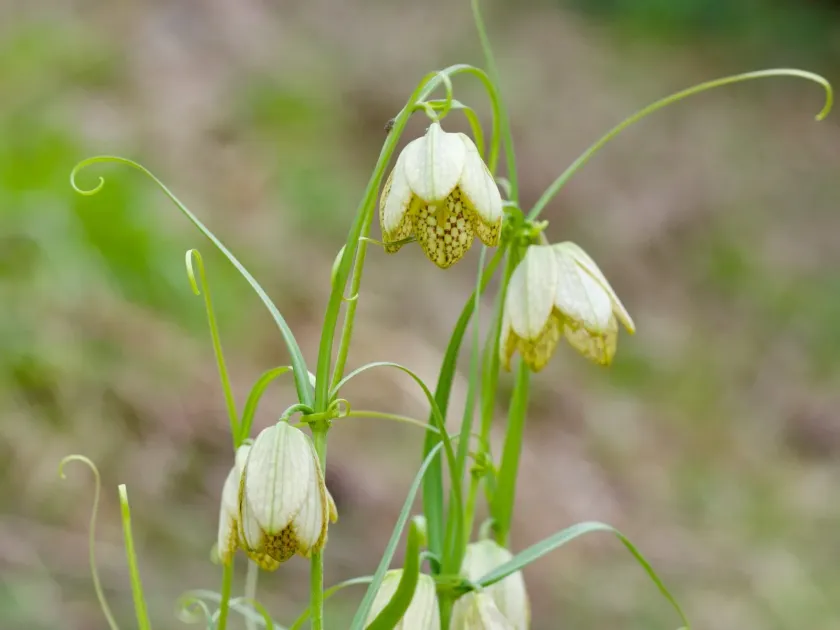
Description
Sowing dates
Fritillaria thunbergii is a perennial plant belonging to the Liliaceae family, which is cultivated primarily for its medicinal bulbous properties.
Planting is usually carried out in the autumn, ensuring the bulbs are placed in soil that has cooled down to facilitate successful rooting.
Propagation is typically achieved through daughter bulbs, which are separated from the parent plant after the vegetative period has ended.
The planting depth is determined by the size of the bulb, generally requiring 10 to 15 centimeters of depth to survive winter temperatures safely.
Spacing between plants must be maintained at 20–25 centimeters to provide enough resources and airflow for each developing plant.
Growing requirements
The crop prefers loose, fertile, and well-drained soil, as poor drainage is the primary cause of bulb failure and rotting in the field.
While Fritillaria thunbergii can adapt to light shade, it grows best in locations with high light intensity to support metabolic processes.
Soil management involves regular cultivation of the inter-rows to ensure optimal oxygen penetration and effective weed suppression.
Watering must be carefully managed to avoid oversaturation, which can be detrimental to the health of the bulbous root system.
Soil testing and the application of balanced organic fertilizers can significantly enhance the development and vitality of the crops.
Yield
The primary agricultural output is the bulb, which is highly valued in pharmacological applications for its alkaloid content.
Achieving a high yield requires strict adherence to agricultural standards and monitoring the development cycle of the bulbs over several years.
Harvesting efficiency is improved by selecting optimal genetic lines that show high adaptation to the local soil and climatic environment.
Proper nutrient balance, particularly during the active growth phase, is essential for increasing the size and chemical concentration of the bulbs.
Standardized cultivation practices allow for a consistent quality of raw material, which is critical for meeting commercial market requirements.
Main diseases and pests
Fungal diseases such as grey mold and Fusarium rot are the most common threats that can compromise the health of the bulb population.
Pests like the lily beetle are known to target the foliage, significantly reducing the photosynthetic capacity of the plants during growth.
Integrated pest management strategies, including the use of fungicides before planting, are necessary to protect the crops from widespread infection.
Frequent visual inspections of the field help in identifying localized infestations and preventing the spread of diseases to healthy areas.
Crop rotation is recommended to minimize the accumulation of soil-borne pathogens and to maintain the long-term productivity of the planting site.
Harvesting
Harvesting takes place once the aerial parts of the plant have yellowed, indicating that the bulb has reached maturity and peak quality.
Careful extraction methods are required to prevent surface damage, as bruised bulbs are highly susceptible to secondary rot during storage.
Post-harvest cleaning removes dirt and root remains, preparing the bulbs for the drying stage under shaded and ventilated conditions.
Grading by size and quality is performed to standardize the product for transport and pharmaceutical use in different market segments.
Storage in temperature-controlled, dry environments is essential to ensure the longevity and stability of the biologically active substances.