
Fritillaria stribrnyi
Fritillaria stribrnyi
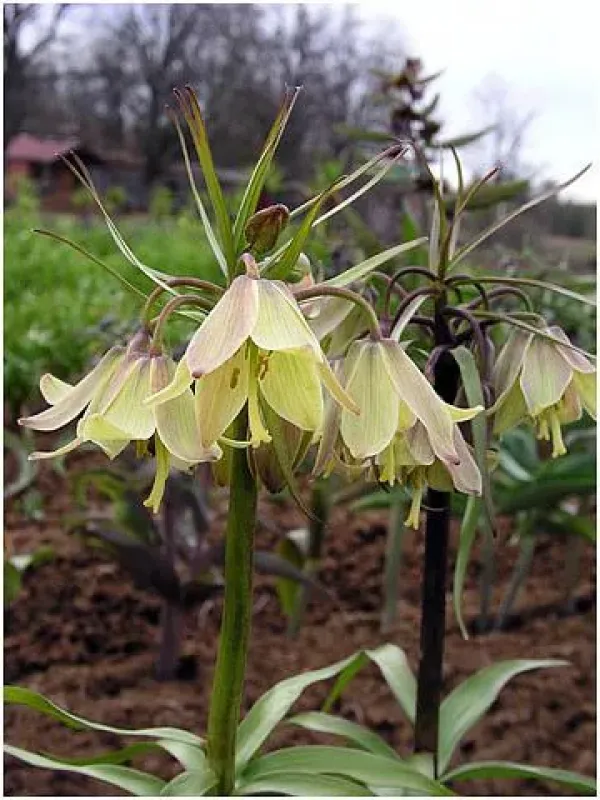
Description
Sowing dates
Fritillaria stribrnyi is a distinctive member of the Liliaceae family, native to southeastern Europe. The best time to plant its bulbs in open ground is during the late summer, typically August or September.
It is crucial to plant the bulbs before the ground freezes, as they require a period of relatively cool soil to establish a strong root system before winter dormancy.
When planting, ensure a depth of approximately 10 to 15 centimeters. The specific depth may vary slightly depending on the size of the bulb and the texture of the soil.
A small layer of coarse sand placed beneath each bulb acts as an essential drainage mechanism, preventing water from accumulating around the basal plate and reducing rot risks.
While bulb propagation is the standard, Fritillaria stribrnyi can also be grown from seeds, although this method requires significant patience and cold stratification.
Growing requirements
This species thrives in regions with a Mediterranean-style climate, preferring well-lit, sunny positions that provide warmth during the spring growing season.
The ideal soil is fertile, well-drained, and light, often favoring loamy or sandy mixtures that do not hold excessive moisture during the plant's dormant summer phase.
Soil pH should ideally be neutral or slightly alkaline. Proper soil preparation, including the incorporation of organic matter, supports vigorous growth and flower production.
During the active growth period, moderate watering is necessary, but it is vital to keep the soil relatively dry once the foliage starts to die back in early summer.
The plant is best suited for rock gardens or well-drained perennial borders where it can be protected from strong, drying winds that might damage the floral stems.
Main diseases and pests
The lily beetle (Lilioceris lilii) is the primary pest for this crop, as it feeds voraciously on leaves and can rapidly compromise the health of the entire plant.
Various forms of fungal rot present a significant threat, usually caused by stagnant water or inadequate air circulation around the bulb and foliage.
Small rodents can cause physical damage to the bulbs; therefore, using wire mesh baskets during planting is a recommended precautionary measure in many gardens.
Preventative care involves inspecting the plants regularly and removing any signs of infection to stop the spread of spores to healthy neighboring plants.
Fungicidal treatments may be necessary in seasons with high rainfall, but dry storage conditions for bulbs remain the most effective preventative strategy against rot.
Harvesting
Seed collection should occur when the capsules reach maturity, changing from green to a papery brown color, but before they burst open naturally.
If the bulbs require lifting, this process should take place after the foliage has naturally yellowed and withered, typically in the mid-summer months.
Once lifted, the bulbs must be carefully cleaned of excess soil, checked for any signs of decay, and left to dry in a cool, ventilated area away from direct sunlight.
Storage should be in a dry environment using materials such as peat moss or dry sand to maintain optimal humidity levels without promoting fungal activity.
Proper harvest and storage practices ensure that the bulbs remain viable and produce robust blooms upon replanting in the following autumn season.