
Japanese fritillary
Fritillaria japonica
Description
Growing requirements
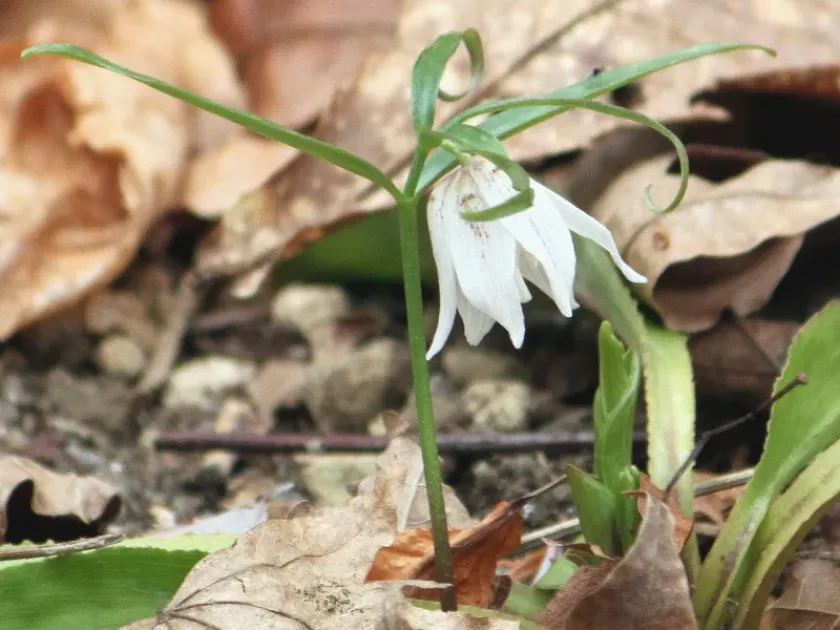
The Japanese fritillary (Fritillaria japonica) belongs to the Liliaceae family. It is a perennial herbaceous plant native to the moist, temperate forest regions of Japan.
This species thrives in partial shade conditions, requiring a nutrient-rich, humus-heavy soil that maintains good porosity and aeration throughout the season.
Water management is the most critical factor for this culture; the soil must be kept moist during the active growing phase but well-drained to avoid bulb rot during dormancy.
The climate should ideally be cool, reflecting its natural montane habitat. Exposure to excessive heat and direct, harsh sunlight can lead to leaf scorch and early senescence of the plant.
Gardeners often use mulch to keep the root zone cool and retain moisture, which is essential for the healthy development of the Fritillaria bulbs in temperate zones.
Main diseases and pests
Fungal diseases, specifically those causing basal rot, are the most frequent health issues affecting Japanese fritillary, often triggered by waterlogged conditions.
Insect pests, including the lily beetle (Lilioceris lilii), pose a serious threat to the foliage and must be monitored closely to prevent rapid defoliation of the plants.
Aphids can also congregate on the stems, leading to stunted growth and potentially spreading viral infections that are difficult to manage in bulbous crops.
Preventive measures include planting in areas with optimal air circulation and applying copper-based fungicides if humidity levels become excessively high during the spring.
To prevent damage from small rodents like voles, it is recommended to plant the bulbs within protective wire mesh baskets to ensure long-term plant survival.