
Kamchatka lily
Fritillaria camtschatcensis
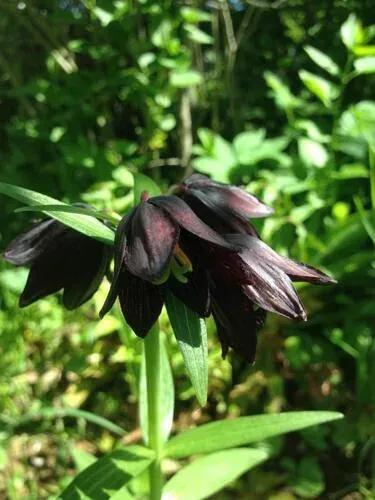
Description
Sowing dates
Fritillaria camtschatcensis is a perennial herbaceous plant belonging to the Liliaceae family. In agricultural practice, this crop is primarily propagated vegetatively using daughter bulbs that form around the parent plant.
Planting is conducted in the autumn, usually one month before the onset of stable frosts, to ensure the bulbs establish roots before the soil freezes. The planting depth should range from 8 to 12 centimeters depending on bulb size.
Seed propagation is rarely used in commercial farming due to the long juvenile stage, as seedlings may take 5 to 7 years to reach maturity and produce flowers or sizeable bulbs.
The selection of an appropriate site is crucial, requiring well-drained, fertile soil with a neutral to slightly acidic pH to support optimal nutrient uptake.
Applying mulch after planting is an essential agrotechnical practice that protects the bulbs from extreme temperature fluctuations and helps maintain soil moisture levels throughout the winter.
Growing requirements
This crop prefers a cool climate with high humidity, typical of its native range in Northern Asia and North America. It demonstrates significant frost tolerance, making it suitable for cold-climate regions.
Fritillaria camtschatcensis is sensitive to overheating of the soil during the summer months. Providing partial shade or using organic mulch is necessary to keep the root zone cool and hydrated.
Adequate drainage is the most critical requirement, as stagnant water and poor soil aeration can lead to bulb rot. Sites with high spring water tables should be avoided.
The plant thrives in semi-shaded areas, making it an excellent candidate for forest gardening, permaculture systems, or cultivation under the canopy of deciduous trees.
Regular irrigation during the active growing season is vital for the development of healthy, plump bulbs, especially if spring precipitation is insufficient.
Yield
The primary agricultural value of this plant lies in its bulbs, which consist of numerous fleshy scales rich in starch, historically serving as a reliable food source in northern climates.
Yield capacity is highly dependent on planting density and the consistency of agricultural management, with the potential for substantial production in well-optimized farming systems.
Freshly harvested bulbs lack a protective skin and are prone to rapid dehydration, necessitating immediate processing, culinary use, or storage under controlled humidity conditions.
The bulbs are traditionally consumed boiled or baked, offering a nutritious profile that makes them a unique niche crop for specialty agricultural producers.
Beyond its food value, the Kamchatka lily is a highly prized ornamental plant, providing additional revenue streams for growers through the sale of high-quality propagation material.
Main diseases and pests
The main threats to the crop include fungal infections such as Fusarium wilt and various bulb rots, which are exacerbated by poor aeration and excessive soil moisture.
Pests, particularly the lily beetle and various subterranean larvae like wireworms or mole crickets, can cause significant damage to foliage and developing bulbs during the growth cycle.
Crop rotation is essential to prevent the buildup of soil-borne pathogens, as planting in the same location for more than 4–5 years significantly increases the risk of disease.
Proactive management includes treating bulbs with fungicides before planting and conducting frequent field inspections to remove and destroy any infected specimens promptly.
Maintaining optimal spacing between plants promotes better air circulation, which is a key factor in reducing the incidence and spread of fungal diseases.
Harvesting
Harvesting should occur after the senescence of the above-ground foliage, which indicates that the plant has completed its growth cycle and stored energy in the bulbs.
The optimal harvest window is late summer or early autumn, when the plant enters a period of natural dormancy, ensuring the highest quality of the harvested product.
Care must be taken during the digging process to avoid damaging the fleshy, fragile bulb scales, as mechanical injuries provide entry points for pathogens and reduce quality.
Once harvested, the bulbs must be cleaned of debris and dried in a cool, well-ventilated location away from direct sunlight to cure properly.
For long-term storage, bulbs should be kept in cool conditions and layered with slightly damp peat or sand to prevent them from desiccating while maintaining viability.