
Fouquieria macdougalii
Fouquieria macdougalii
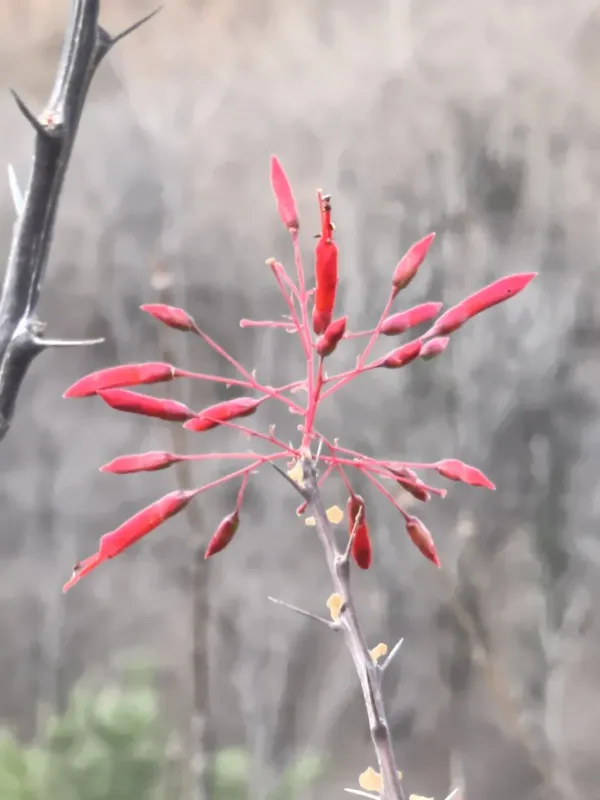
Description
Growing requirements
Fouquieria macdougalii is a remarkable species belonging to the Fouquieriaceae family. Native to the arid regions of northwestern Mexico, this plant is well-adapted to surviving in extreme desert environments with very limited water resources.
Botanically, it is classified as a tree-like succulent. It features a woody, spiny trunk and branches that undergo seasonal leaf production triggered by rainfall, showcasing a fascinating survival strategy typical of arid-land flora.
For successful growth, this species requires a highly porous, gritty substrate that ensures rapid water drainage. In cultivation, it thrives in sandy or volcanic soil mixes designed for succulent plants to prevent root rot.
Environmental requirements include intense sunlight and high heat. The plant is not frost-tolerant and must be protected from freezing temperatures, especially in regions outside its native subtropical range.
The agricultural management of this species revolves around the mimicry of its natural climate. This means providing heavy watering during the active growth season and maintaining a strictly dry period throughout the winter dormancy.
Main diseases and pests
The primary threat to this plant is root rot, which occurs when the soil remains too wet for extended periods. Once established, systemic rot is extremely difficult to treat and often leads to plant death.
Mealybugs are the most common pests, often hiding in the dense clusters of spines where manual removal or chemical treatment is challenging. They sap the plant's vitality and can spread secondary infections.
Spider mites can become a nuisance if the plant is kept in an environment with poor air circulation and low humidity. Regular monitoring of the stems is necessary to catch infestations before they spread.
Fungal infections can also invade the plant through stem fissures or wounds. Keeping the plant surface dry and ensuring good ambient airflow significantly reduces the risk of these opportunistic pathogens.
Finally, improper winter maintenance, particularly exposure to cold damp conditions, causes tissue decay. It is crucial to keep the plant in a warm, dry place during its inactive months to ensure its long-term survival.