
Fissidens viridulus
Fissidens viridulus
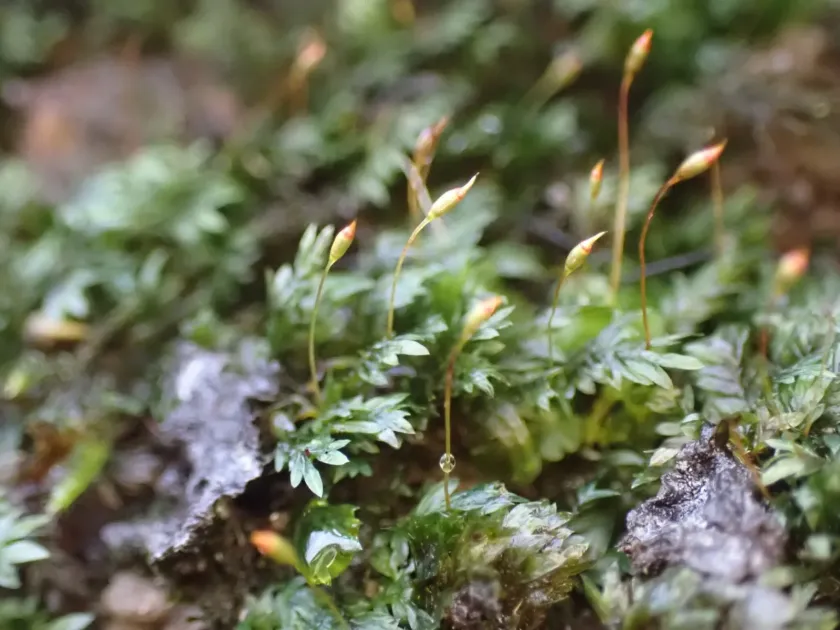
Description
Growing requirements
Fissidens viridulus is a species of moss within the Fissidentaceae family, known for its distinct two-ranked leaves that provide a characteristic fern-like appearance. It is a perennial plant that thrives in humid, shaded environments across various temperate regions.
Native to Europe and parts of North America, this moss naturally populates limestone substrates, damp banks, and decaying timber. Its ability to colonize mineral-rich surfaces makes it a highly resilient species for specialized cultivation setups.
When grown in aquatic or paludarium settings, Fissidens viridulus requires stable water parameters. A pH range of 6.0 to 7.5 is generally recommended to ensure optimal nutrient uptake and leaf structural integrity.
Lighting requirements for this culture are moderate. Direct, intense light should be avoided as it encourages the rapid colonization of competing algae, which can easily overwhelm the slow-growing moss fronds.
The cultivation technique involves securing small portions of the moss to hardscape elements such as wood or stone using specialized thread or adhesive. Once attached, the moss slowly spreads, forming dense, velvet-like carpets that serve as an aesthetic highlight.
Main diseases and pests
Algae infestations represent the primary biological threat to Fissidens viridulus. Excessive nutrient levels in the water column can trigger blooms that smother the moss and restrict its metabolic processes.
Mechanical damage caused by certain species of snails or crustaceans can lead to the fragmentation of the moss colonies, hindering the desired coverage density.
Poor water circulation leads to the accumulation of organic waste within the dense fronds, creating anaerobic pockets that contribute to localized tissue necrosis.
Thermal stress, specifically prolonged exposure to water temperatures above 26°C (79°F), leads to tissue degradation and the eventual dissolution of the plant.
Lack of consistent CO2 supply and micronutrient fertilization can result in stunted growth and a loss of the vibrant green coloration characteristic of healthy specimens.