
Fissidens celticus
Fissidens celticus
Description
Growing requirements
Fissidens celticus is a distinct species of moss belonging to the family Fissidentaceae. While not categorized as an agricultural crop, it serves as a critical subject in bryology, providing insights into the evolutionary adaptation of mosses to specific humid environmental niches.
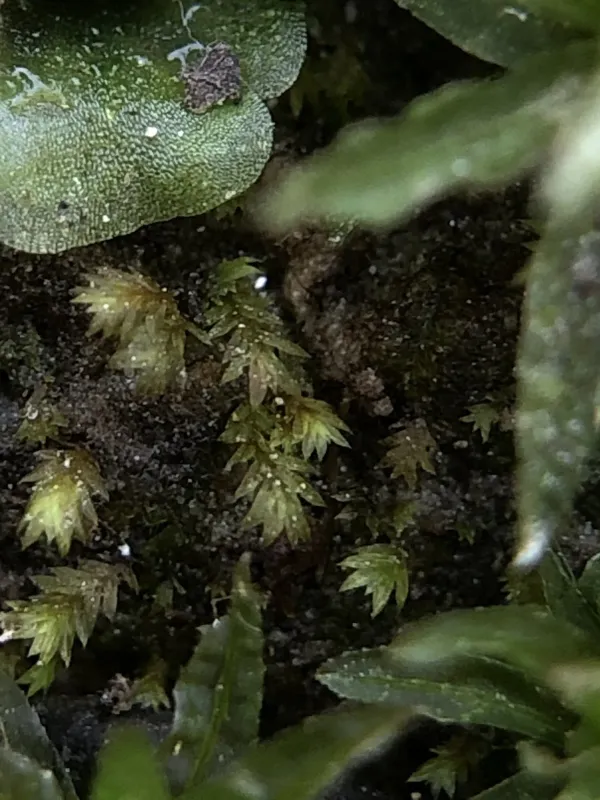
The morphology of the plant is defined by its vertically oriented, distichous leaves that possess a unique sheathing structure at the base. This architecture allows the moss to effectively capture and store moisture from the ambient air, which is vital for its survival in competitive woodland understories.
Environmental requirements for Fissidens celticus are quite strict, as it thrives primarily in shaded, high-humidity habitats. It favors stable environments such as damp soil banks near streams or well-decayed organic matter where nutrient availability and moisture levels remain consistent throughout the year.
Climatic factors play a decisive role in the distribution of this species, with a clear preference for temperate oceanic climates characterized by mild winters and high annual precipitation. It lacks the tolerance for high thermal stress or prolonged periods of drought, which inhibits its growth in exposed areas.
Conservation management of this species involves maintaining the integrity of its native forest canopy and protecting natural drainage patterns. Due to its sensitivity to human interference, the protection of its micro-habitat is essential to ensure the longevity of local populations of this biological entity.