
Fissidens crassipes
Fissidens crassipes
Description
Growing requirements
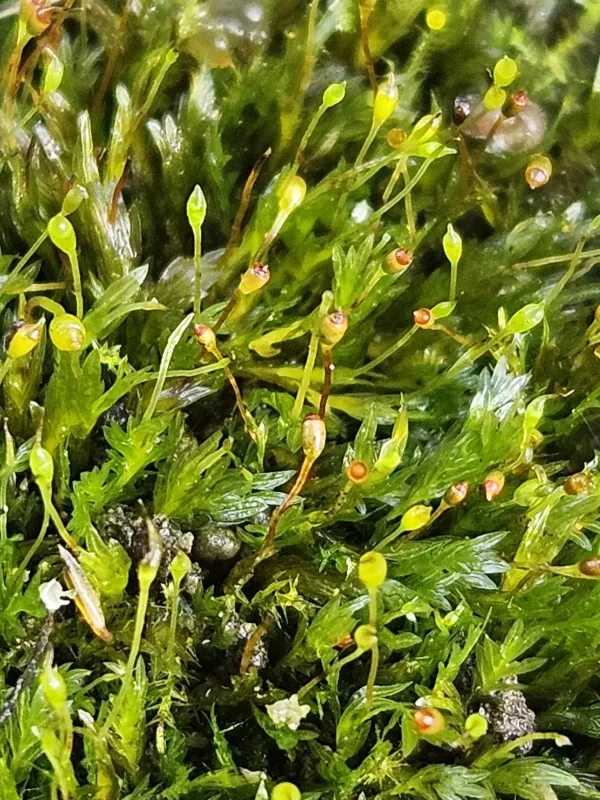
Fissidens crassipes is a specialized bryophyte belonging to the Fissidentaceae family, known for its distinct fern-like appearance. It is a true aquatic moss that thrives in habitats characterized by periodic inundation and flowing water.
The native range of this species covers a broad geographical area including parts of Europe and Africa. It is commonly found attached to stones or tree roots in or near freshwater streams, exhibiting high resilience to water fluctuations.
Environmental requirements for this moss include clean, well-oxygenated water and moderate levels of natural light. It is highly sensitive to water quality, performing best in environments where mineral content is balanced and free from pollutants.
Regarding substrates, Fissidens crassipes prefers stable, hard surfaces. In controlled environments, it is often cultivated on lava rock, driftwood, or specialized ceramic plates to ensure proper attachment and nutrient uptake via its leaves.
Cultivation practices focus on maintaining consistent moisture and avoiding stagnant water conditions. Proper water flow is crucial for nutrient distribution and gas exchange across the leaves, which prevents the build-up of metabolic waste.
Main diseases and pests
The primary threat to the stability of Fissidens crassipes populations is eutrophication. High nutrient levels in the water column promote the growth of opportunistic filamentous algae that compete for light and space.
Herbivory by aquatic snails and certain crustacean species can cause mechanical damage to the moss fronds, particularly when other food sources are scarce. Protecting the moss mats is essential for maintaining its aesthetic and ecological value.
Bacterial and fungal pathogens pose a risk when the moss is kept in high-temperature, low-flow conditions. These infections typically manifest as dark discoloration and rapid tissue disintegration of the moss colonies.
Chemical sensitivity is a hallmark of this species, as it readily absorbs contaminants from its surroundings. Industrial runoff, pesticides, and heavy metals are lethal to the plants even in low concentrations.
Monitoring the health of the colonies involves regular inspection for signs of decay or overgrowth by competing flora. Maintaining a balanced environment is the most effective management strategy for ensuring the longevity of the plant.