
Fissidens bryoides
Fissidens bryoides
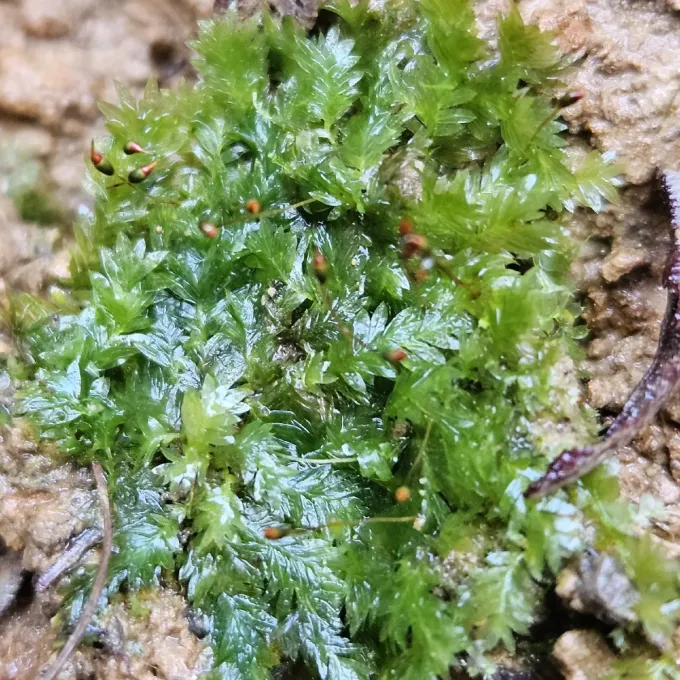
Description
Growing requirements
Fissidens bryoides is a notable moss species within the Fissidentaceae family. While not an agricultural crop, it serves as an ecological indicator, sensitive to environmental changes and hydrological conditions.
The morphology of this plant is distinct due to its complanate leaves, which are arranged in two ranks. This arrangement maximizes moisture absorption, a vital adaptation for life in humid microenvironments.
This species requires high humidity levels and avoids direct solar radiation. It is typically found in shaded forest floors, moist banks, and areas with stable, damp soil conditions.
Regarding soil preferences, it thrives in slightly acidic to neutral substrates. The plant lacks true roots, relying instead on rhizoids to anchor itself to damp substrates such as clay or damp stones.
The global distribution of Fissidens bryoides is widespread across temperate regions, where it colonizes areas protected from intense wind and dry conditions.
Main diseases and pests
The primary threat to the stability of Fissidens bryoides populations is the rapid alteration of local hydrology, particularly the drainage of moist habitats.
Anthropogenic pollution, especially the application of broad-spectrum pesticides, disrupts the delicate growth cycles of these bryophytes.
Deforestation and landscape fragmentation reduce the availability of the deep-shade environments required for the species to flourish.
Competitive exclusion by invasive vascular plants can quickly overtake moss colonies when light intensity increases due to canopy thinning.
Exposure to high concentrations of heavy metals in the soil inhibits rhizoid development, significantly reducing the moss's ability to maintain its position on the substrate.