
Fissidens dubius
Fissidens dubius
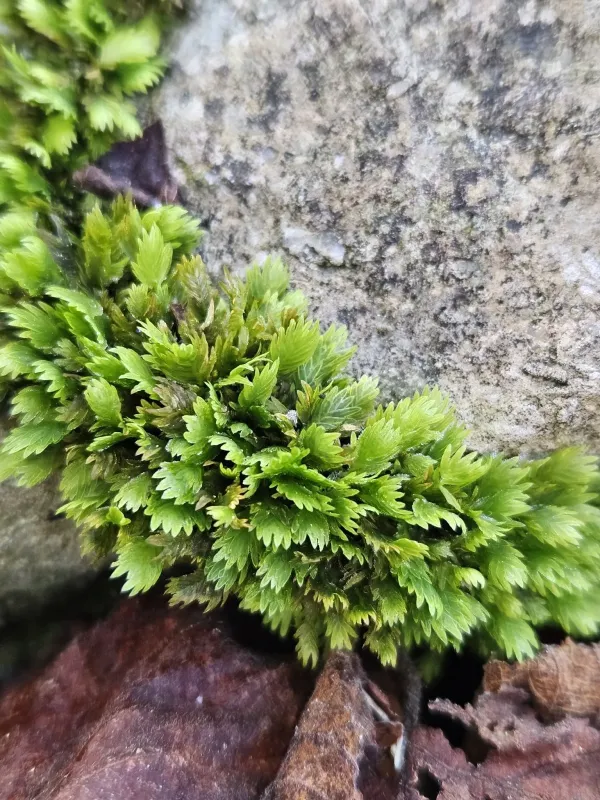
Description
Growing requirements
Fissidens dubius is a highly sought-after moss species belonging to the Fissidentaceae family. In professional horticulture and aquascaping, it is treated as a specialized crop, valued for its dense, fern-like structure and vibrant green appearance that adds significant aesthetic value to submerged landscapes.
The plant originates from temperate and subtropical regions, typically found in shaded, moist environments. Its botanical architecture is unique, featuring distichous leaves that provide a distinct feather-like appearance, which makes it a premium product in the decorative plant market.
Cultivation requires stable environmental parameters. The optimal temperature for the consistent growth of this moss ranges from 18 to 24 degrees Celsius. Providing a stable environment prevents the plant from experiencing stress, which is vital for maintaining its structural integrity.
Soil and substrate requirements focus on chemical neutrality. In commercial production, growers utilize porous materials like lava rock or specialized driftwoods. These substrates allow for strong rhizoid attachment and facilitate efficient nutrient uptake from the water column or moist air.
Lighting management is essential for success. Fissidens dubius thrives under moderate, diffused lighting conditions. Excessive light exposure can trigger unwanted algal blooms, whereas insufficient light leads to sparse growth and elongated stems, reducing the market quality of the crop.
Main diseases and pests
The primary threat to Fissidens dubius production is the infestation of filamentous algae. These invasive organisms compete for light and nutrients, frequently overgrowing the moss colonies and causing localized tissue death if not managed through rigorous biological control.
Pathogenic fungi present a significant risk in high-humidity environments. Without adequate air circulation, these pathogens can cause rapid degradation of the moss tissue, leading to the development of necrotic spots that spread throughout the commercial trays.
Environmental stress caused by fluctuating water chemistry, specifically high concentrations of calcium and magnesium, can result in mineral deposits on the leaf blades. These encrustations inhibit photosynthesis and diminish the visual appeal required for commercial plant distribution.
Invertebrate pests, including ostracods and snails, pose a threat by feeding on the moss. Growers must implement stringent quarantine protocols for any new planting stock to prevent the introduction of these pests into the primary production area.
Poor nutrient management, specifically overdosing with nitrates, creates an unbalanced environment that favors faster-growing competitors. This requires precise monitoring of the water quality and nutrient uptake rates to ensure the healthy development of the moss crop.