
Fissidens taxifolius
Fissidens taxifolius
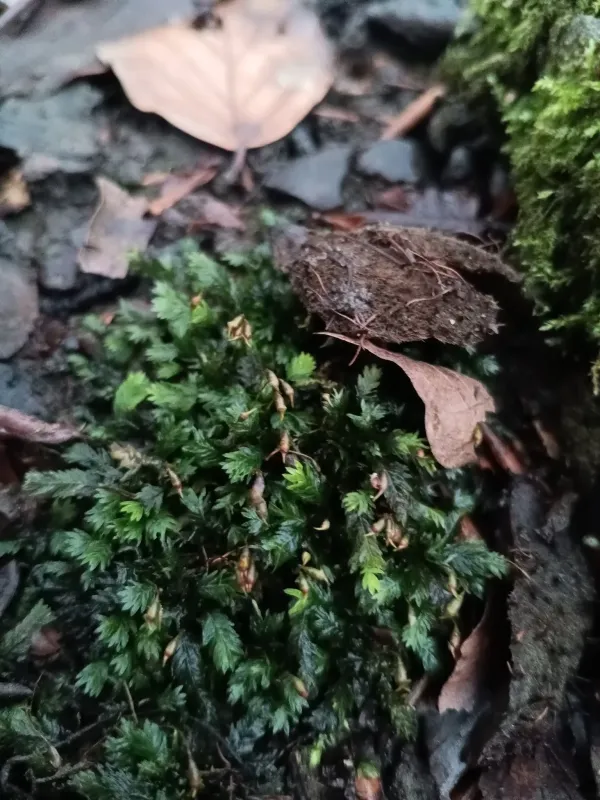
Description
Growing requirements
Fissidens taxifolius is a perennial moss belonging to the family Fissidentaceae. It is characterized by its distinct, yew-like leaf arrangement, which gives it a feathery appearance. It is a non-vascular plant widely distributed throughout the temperate zones of the Northern Hemisphere.
The natural habitat of this moss includes shaded, moist environments such as woodland floors, clay-rich soil banks, and the base of deciduous trees. It acts as a primary colonizer in damp environments, helping to hold soil particles together and prevent erosion in forest ecosystems.
Environmental requirements for Fissidens taxifolius are strict regarding humidity. It thrives in high-moisture conditions, preferring neutral to slightly acidic substrates. It is highly sensitive to direct sunlight, which can quickly desiccate its delicate structure and lead to brown, dying foliage.
Cultivation practices involve replicating woodland conditions in terrariums or specialized paludariums. Gardeners must ensure consistent misting and stable temperatures ranging between 15°C and 22°C. The moss does not require complex fertilization but thrives in nutrient-rich organic soil mixes.
In terms of usage, this moss is primarily valued for its aesthetic appeal in terrarium landscaping and vivariums. Its ability to form lush, compact carpets makes it a favorite among enthusiasts for creating naturalistic displays that mimic forest floor micro-habitats.
Main diseases and pests
The primary threats to Fissidens taxifolius include habitat destruction through deforestation and industrial pollution. In managed conditions, improper irrigation leading to stagnant water can result in fungal infections, while low humidity levels represent the most common cause of plant failure.