
Fissidens serrulatus
Fissidens serrulatus
Description
Growing requirements
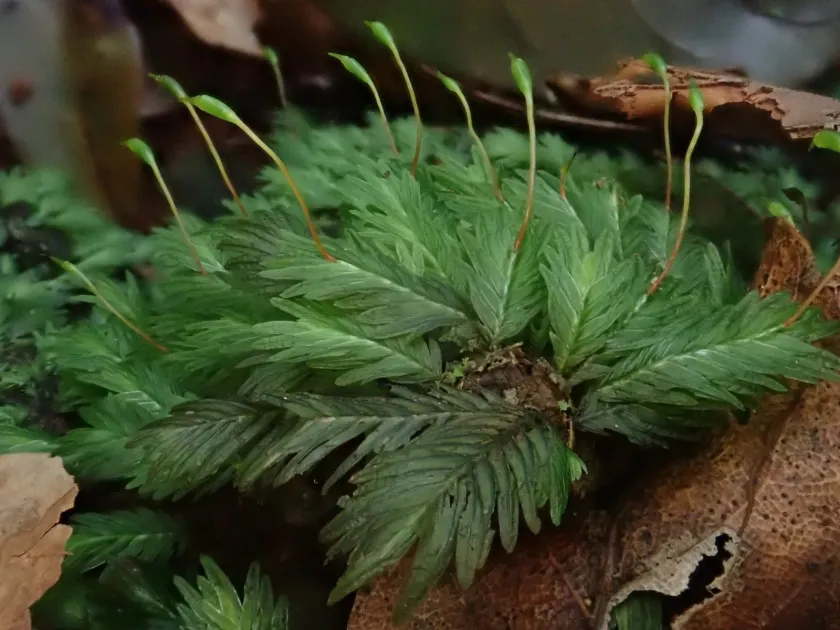
Fissidens serrulatus is a notable moss species within the Fissidentaceae family. It is widely recognized by botanists for its distinct, serrated leaf margins, which distinguish it from other related moss species.
The plant is native to humid environments and is typically found in shaded, moist areas across various temperate and subtropical regions. It thrives in habitats where humidity is consistently high and airflow is moderate.
Botanically, this species is characterized by its compact growth habit and elegant, fern-like appearance. It attaches itself to surfaces using rhizoids, which allow it to colonize rocky substrates and decomposing organic matter.
In a controlled cultivation setting, the moss requires specific light levels. Low to moderate light is preferred, as high intensity can trigger rapid degradation of the plant's delicate tissues.
Water quality is a primary requirement for Fissidens serrulatus. The species prefers slightly acidic water and is sensitive to heavy metal contamination, which can cause significant growth inhibition.
Main diseases and pests
The primary threats to Fissidens serrulatus involve biological competition from filamentous algae, which can easily overwhelm the moss colony in nutrient-rich water.
Fungal pathogens often target the moss when water circulation is poor, leading to the development of necrotic patches that can spread quickly throughout the colony.
High water temperature is another major risk factor. Prolonged exposure to heat causes the moss to lose its characteristic vibrant green color and eventually leads to total tissue collapse.
Physical disturbance should be minimized. The moss is fragile, and frequent handling or excessive cleaning can damage the structure of the fronds, leading to a loss of aesthetic appeal.
Improper fertilization practices often lead to chemical toxicity. Because mosses lack a complex vascular system, they are particularly vulnerable to sudden changes in nutrient concentration in the water column.