
Fissidens rufulus
Fissidens rufulus
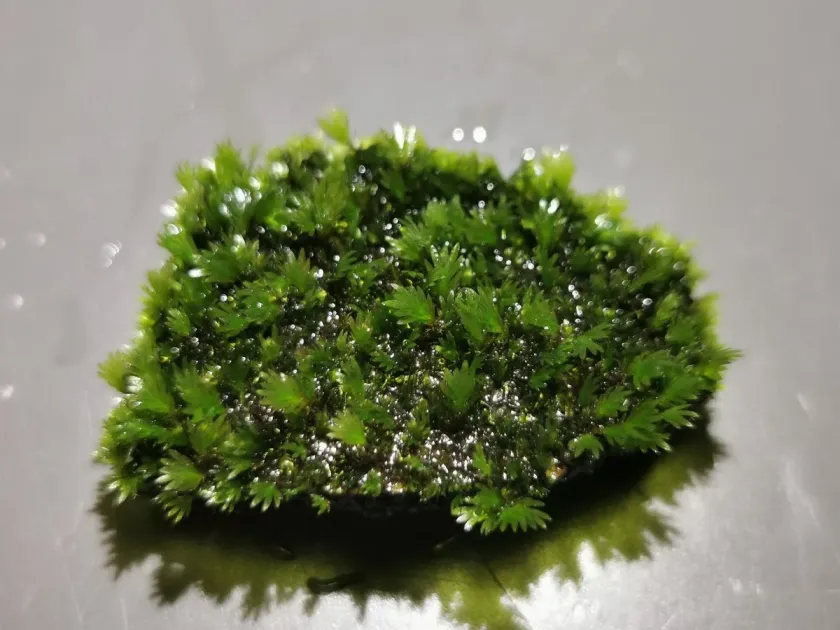
Description
Growing requirements
Fissidens rufulus is a distinct species of aquatic moss belonging to the Fissidentaceae family. It serves as a specialized crop in the field of aquatic plant cultivation, primarily valued for its unique morphological structure and aesthetic appeal.
Originating from temperate regions, this species is typically found in fast-flowing streams and rivers. Its natural habitat is characterized by submerged rocks and stones, which serve as a primary substrate for its rhizoid system to attach securely.
Botanically, the plant is characterized by its complanate leaves arranged in two rows. This evolutionary adaptation allows the moss to reduce drag significantly in high-velocity water currents, ensuring it remains attached to the substrate during heavy flow.
The cultivation requirements for this moss include clean, oxygenated water with consistent chemical parameters. It thrives in moderate temperatures and requires specific lighting conditions to maintain its structural density and vibrant color.
In terms of agricultural and commercial use, Fissidens rufulus is primarily cultivated for the aquarium trade and professional aquascaping. It is highly regarded for its ability to create lush, mossy surfaces on hardscape elements within aquatic environments.
Main diseases and pests
The primary threats to Fissidens rufulus cultivation are invasive algae species, which compete for light and nutrients. Excessive algal growth can quickly smother the moss, leading to the inhibition of its photosynthetic capacity and eventual decay.
Certain aquatic snails are considered common pests for this crop, as they frequently feed on the delicate leaf tissue. These infestations, if left uncontrolled, can severely reduce the biomass of the moss colonies over a short period.
Pathogenic issues may arise when the water flow is insufficient, leading to the accumulation of organic waste and detritus within the moss structure. This promotes fungal growth and localized necrosis within the center of the moss patch.
Water chemistry instability, particularly fluctuations in pH and total hardness, poses a significant risk. Such changes stress the plant, making it more susceptible to secondary infections and reducing its overall growth rate.
Effective crop management requires rigorous monitoring of water quality and the maintenance of a stable ecosystem. Prevention strategies include regular mechanical cleaning and the implementation of appropriate biological control measures against pests.