
Fissidens rivularis
Fissidens rivularis
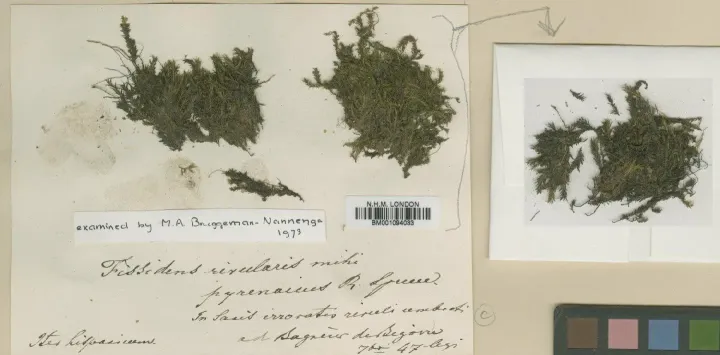
Description
Growing requirements
Fissidens rivularis belongs to the family Fissidentaceae. It is a distinct aquatic moss characterized by its unique leaf structure, where the leaves are arranged in two rows, creating a fern-like appearance.
This species naturally inhabits fast-flowing streams and rivers, preferring clean, oxygen-rich environments. Its natural range is predominantly in temperate zones where water temperatures remain relatively stable throughout the year.
Regarding climate requirements, the plant thrives in cool to moderate water conditions. It is essential to maintain water temperatures within the 18 to 24 degrees Celsius range to prevent physiological stress.
The substrate must be solid and stable. In agricultural or ornamental setups, it is common to use volcanic rock, lava stone, or inert driftwood as a base for attachment, which the moss anchors using its rhizoids.
Regarding light and flow, Fissidens rivularis requires moderate lighting. It does not tolerate direct, intense sunlight, which promotes invasive algae growth. Constant water movement is vital to provide nutrients and remove metabolic waste.
Main diseases and pests
The primary threat to the stability of Fissidens rivularis colonies is the competition from filamentous algae. These invasive organisms grow rapidly and can easily smother the slow-growing moss colonies.
Siltation and the accumulation of organic detritus can cause the interior of the moss tufts to decay. Regular cleaning or maintenance of water flow is necessary to prevent the formation of necrotic areas.
Invertebrate pests, particularly gastropods, can cause mechanical damage by grazing on the soft, hydrated tissues of the moss. Maintaining a balanced biological environment is essential for protection.
Pathogenic fungi can colonize the plant if the water quality deteriorates. High levels of ammonia or sudden fluctuations in water pH are major contributors to fungal susceptibility.
Excessive fertilization of the water column often triggers an algal bloom, which is the most frequent cause of crop failure in intensive production systems for this species.