
Fissidens pusillus
Fissidens pusillus
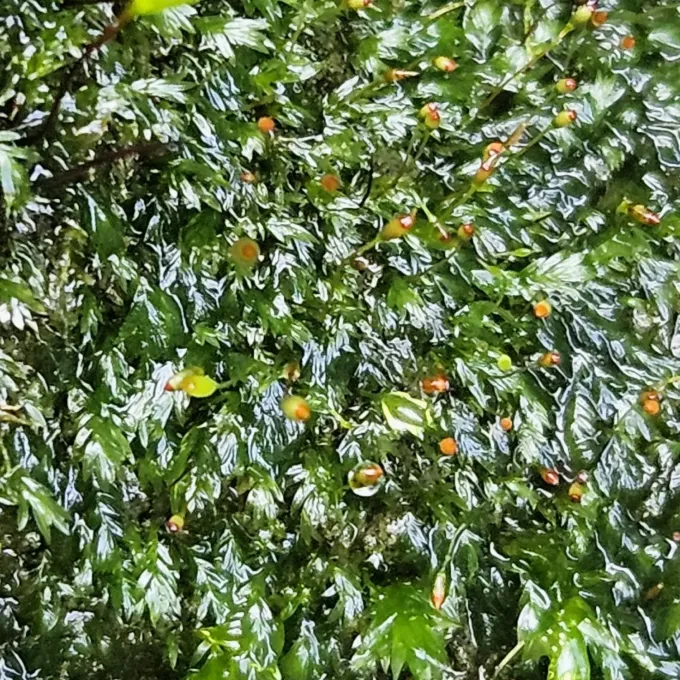
Description
Growing requirements
Fissidens pusillus is a bryophyte belonging to the Fissidentaceae family. In agricultural and aquascaping contexts, it is cultivated for its slow growth rate, unique fern-like leaf structure, and ability to form dense, low-profile mats on various surfaces.
The plant originates from moist habitats, typically growing on wet stones near stream banks. In cultivation, it thrives in clean, oxygenated aquatic environments. It is highly sensitive to pollutants and requires excellent water circulation to maintain health and color intensity.
Requirements for successful growth include a temperature range of 20°C to 24°C and soft to medium-hard water. The pH level should remain stable between 6.0 and 7.5 to prevent nutrient lockout and tissue decay. It does not require high light intensity; in fact, low to moderate lighting is preferred to avoid algal blooms.
Cultivation technique involves attaching small portions of the moss to inert substrates using specialized adhesives or fishing line. Over time, the plant's rhizoids anchor themselves firmly to the surface, creating a permanent carpet.
Nutrient management is critical for this species. It is a slow-growing plant, so it does not require heavy fertilization. Excess nutrients, especially nitrates and phosphates, frequently lead to outbreaks of invasive green algae which outcompete the moss for resources.
Main diseases and pests
The primary threats are invasive filamentous algae (such as Spirogyra) that entangle within the moss fronds, effectively shading them out. Regular manual removal of algae is often necessary to keep the colony clean.
Fungal infections can occur if the water quality deteriorates due to the accumulation of organic debris. If the moss tissue turns pale or brown, it usually indicates poor light penetration or an imbalanced nitrogen cycle within the growing environment.