
Fissidens polyphyllus
Fissidens polyphyllus
Description
Growing requirements
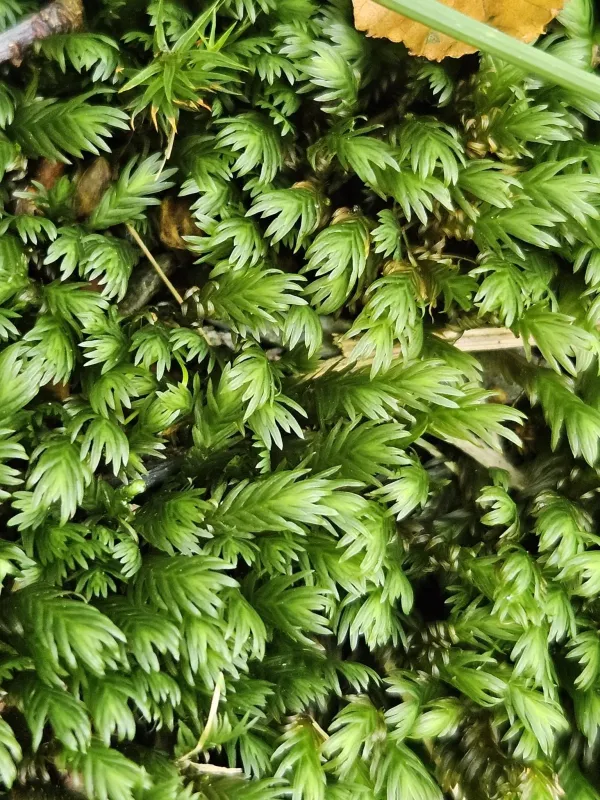
Fissidens polyphyllus is a distinctive moss species belonging to the Fissidentaceae family. It is recognized for its unique, fern-like arrangement of leaves which grow in two distinct rows along the stem, creating a lush, dark green appearance.
Originating from humid, shaded environments, this species is naturally found in riparian zones, damp rocky outcrops, and forests where moisture levels remain consistently high throughout the year. It is highly adapted to low-light levels found under forest canopies.
In terms of cultivation, Fissidens polyphyllus requires high ambient humidity and excellent water quality. It does not tolerate high concentrations of minerals or fluctuating chemical parameters, which can lead to rapid decline in tissue health.
Soil and substrate preferences include acidic to neutral rocky or organic substrates that provide stable anchorage for rhizoids. Good circulation is essential to prevent the accumulation of debris that can rot the lower stems of the plant.
The primary horticultural application of this species is within the aquarium and paludarium hobby. It is highly valued for its ability to mimic aquatic forest floors, providing a natural aesthetic that is both durable and slow-growing.
Main diseases and pests
The most common threats to the health of this moss are fungal infestations and bacterial decay, often triggered by stagnant air or water conditions. Maintaining proper airflow is crucial for long-term survival.
Invertebrate pests, such as freshwater snails or small mites, can significantly damage the delicate foliage. Integrated pest management should prioritize manual removal and environmental control over chemical interventions.
Algal competition poses a severe threat in aquatic settings. Excessive nutrient loading, such as high nitrate levels, will encourage the growth of invasive algae that quickly smother the moss colonies.
Temperature fluctuations are detrimental to this species. It is considered a cool-water plant and performs best when temperatures are kept within a moderate range to simulate its natural cool habitat.
Regular maintenance, including water changes and trimming of necrotic parts, is recommended to keep the colonies robust and free from disease, ensuring optimal growth and aesthetic appeal.