
Fissidens osmundoides
Fissidens osmundoides
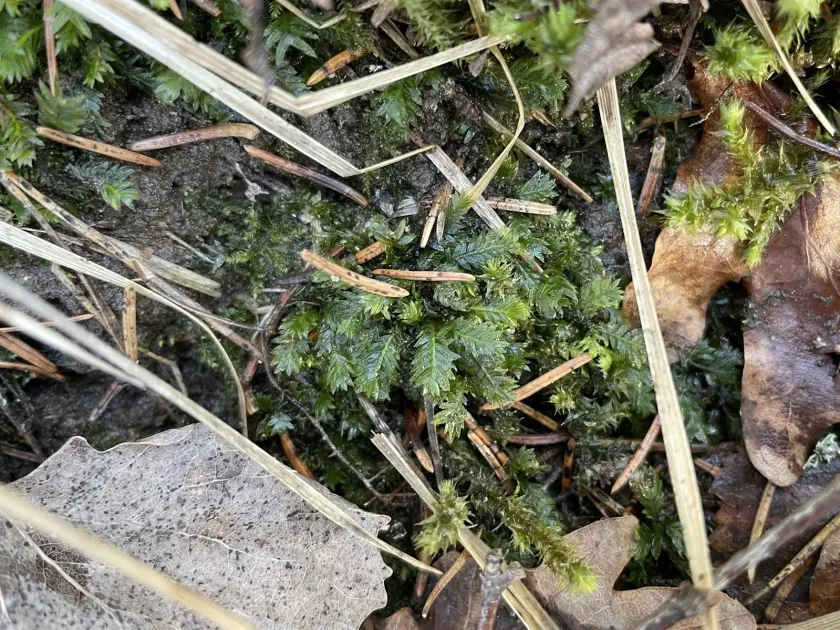
Description
Growing requirements
Fissidens osmundoides is a distinct species of aquatic moss belonging to the family Fissidentaceae. This plant is naturally distributed across the temperate regions of the Northern Hemisphere, often found on moist rocks and riverbanks where clean, cool water persists throughout the year.
Botanically, it is recognized by its complanate leaves that are arranged in a distichous pattern, creating a fern-like aesthetic. Unlike terrestrial crops, this moss relies on specialized rhizoids to attach to surfaces, thriving in high-humidity microclimates rather than soil-based environments.
Cultivation requirements are strict regarding water quality. The moss prefers soft to medium-hard water with a pH range of 6.0 to 7.5. It is intolerant of high nitrate levels and suspended detritus, which can smother the foliage and prevent effective light absorption for photosynthesis.
The agrotechnical approach involves the use of inert substrates like volcanic rock or wood, which allow for secure attachment. Supplemental fertilization is generally kept at low levels, focusing on iron and trace minerals, to avoid stimulating competing algae growth while ensuring the moss maintains a deep green coloration.
Economically, Fissidens osmundoides is highly valued in the aquascaping and aquatic plant trade. Its ability to create dense, slow-growing mats makes it an essential element for high-end aquatic displays. Furthermore, it serves a functional role as a bio-indicator of stream water purity in ecological studies.
Main diseases and pests
The main threats to the health of the moss include the overgrowth of filamentous algae and cyanobacteria. These opportunistic organisms can rapidly colonize the slow-growing moss mats, leading to light deprivation and total colony failure if not managed through manual removal or chemical balance.
Pests typically include various freshwater gastropods, such as bladder snails or ramshorn snails, which graze on the moss tissues. Additionally, improper water current can lead to sedimentation, which physically stresses the plant and facilitates the development of necrotic spots within the moss cushion.