
Fissidens monguillonii
Fissidens monguillonii
Description
Growing requirements
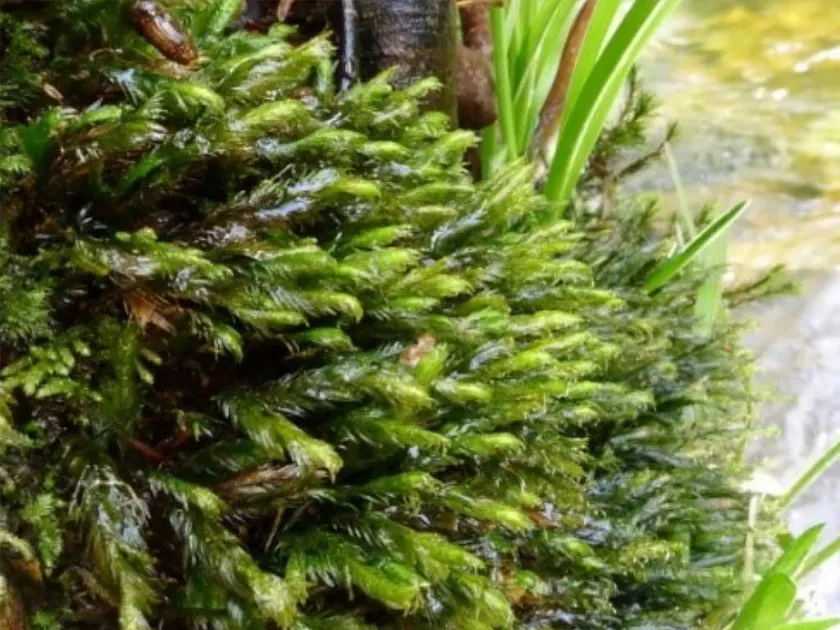
Fissidens monguillonii is an aquatic moss belonging to the Fissidentaceae family. It is recognized for its unique, fern-like growth pattern where the leaves are arranged in two distinct rows, creating a delicate and highly decorative appearance suitable for aquatic environments.
Originating from temperate regions in Europe, this species is typically found in shaded, humid habitats along streams and riverbanks. It naturally attaches itself to stones, submerged wood, and other stable substrates, thriving in environments with consistent water flow and oxygenation.
Botanically, the species is distinguished by the specific shape of its leaves and a characteristic border that defines its morphology. It relies on a network of rhizoids to anchor itself firmly to surfaces, which is an essential adaptation for surviving in the currents of its natural streams.
The cultivation requirements involve maintaining stable water parameters, with a temperature range usually between 18 and 24 degrees Celsius. The moss thrives in clear, low-nutrient water conditions and benefits from moderate, indirect lighting to prevent the growth of competitive algae.
The primary horticultural use of Fissidens monguillonii is in aquascaping, where it is utilized for decorating hardscapes like rocks and driftwood. Its slow growth rate makes it a low-maintenance, long-term choice for hobbyists looking to add natural textures to their aquarium layouts.
Main diseases and pests
Typical threats to this moss include infestation by hair algae, which can rapidly overgrow and stifle the moss. Additionally, poor water quality and lack of flow lead to the accumulation of debris, which damages the delicate structure of the plant and causes decay.