
Fissidens limbatus
Fissidens limbatus
Description
Growing requirements
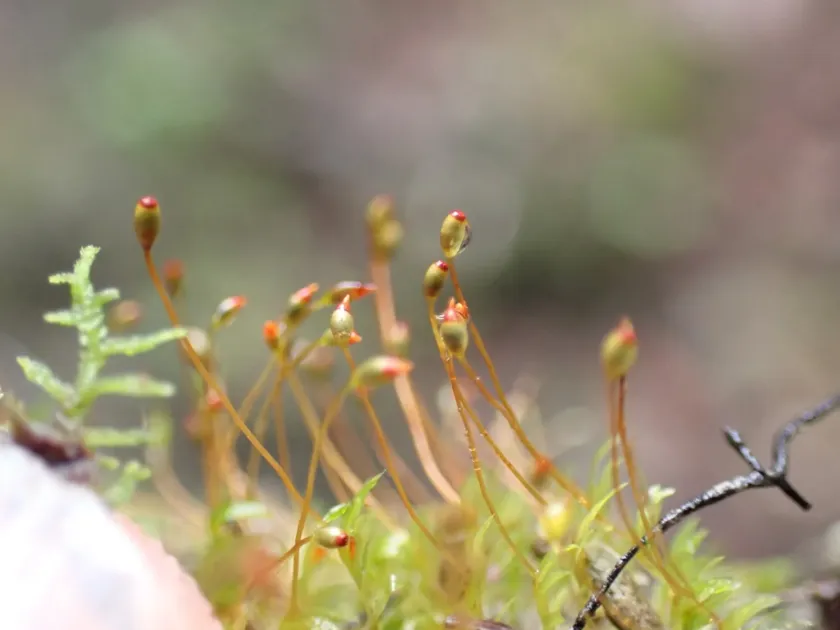
Fissidens limbatus is a species of moss belonging to the Fissidentaceae family, known for its elegant, feather-like fronds. It is a compact, slow-growing plant that thrives in moisture-rich environments, typically found on damp earth or shaded rock surfaces in its native distribution areas.
The defining characteristic of this moss is its leaf structure: the leaves are arranged in two rows, and each leaf features a distinct border of elongated cells, which provides the species with its specific scientific name. This structural edge adds both visual definition and resilience to the plant's delicate fronds.
While not a traditional agricultural crop, Fissidens limbatus is widely utilized in the horticultural and aquascaping industries. It requires stable environmental conditions, specifically high humidity or clean water circulation, as well as protection from direct intense sunlight to prevent desiccation.
Cultivation requires a specific substrate that remains stable over time, such as porous rock or specialized aquatic pads that allow the moss's rhizoids to anchor securely. Maintaining a balanced nutrient supply is essential, as the species is highly sensitive to the accumulation of waste products and excess nitrates.
Optimal growth is achieved in moderate temperature ranges and low-to-medium light intensity. Its slow growth rate means it requires infrequent trimming, but it also necessitates a stable, non-competitive environment to prevent it from being overgrown by faster-growing algae or other moss species.
Main diseases and pests
The primary threat to the health of Fissidens limbatus is the outbreak of harmful algal blooms, particularly hair algae, which can quickly strangle the delicate moss structure. Such blooms are often triggered by improper lighting duration or an imbalance of inorganic nutrients.
Fungal pathogens pose a significant risk when the moss is kept in stagnant water or air with poor circulation. These infections typically manifest as dark patches or disintegrating tissues that can spread rapidly throughout the colony if not removed promptly.
Invertebrate pests, such as aquatic snails, can cause mechanical damage by grazing on the tender fronds, which may lead to the total loss of aesthetic quality. Regular monitoring for the presence of these organisms is a standard practice in professional moss management.
Chemical sensitivity is a hallmark of this species; the use of aggressive water conditioners, heavy metal-based algaecides, or improper fertilizer dosing can lead to rapid chlorosis and tissue necrosis. The plant demands a pristine environment free from harsh chemical additives.
Environmental instability, such as rapid shifts in water pH or extreme temperature fluctuations, disrupts the moss's physiological functions. Such stress reduces its ability to regenerate damaged sections and makes the colony susceptible to secondary bacterial infections.