
Fagraea splendens
Fagraea splendens
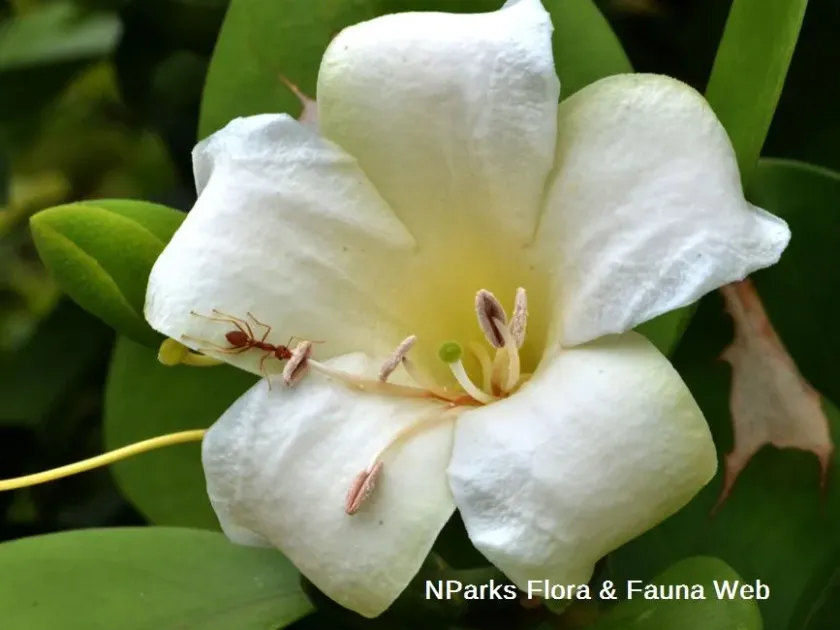
Description
Growing requirements
Fagraea splendens is a tropical woody plant belonging to the Gentianaceae family. Native to the lush, humid forests of Southeast Asia, this species is well-adapted to high-temperature environments with consistent annual precipitation levels.
The optimal growing conditions for Fagraea splendens include well-drained, nutrient-rich soils with slightly acidic to neutral characteristics. Ensuring a porous soil structure is essential to prevent root asphyxiation, which can occur rapidly in waterlogged soils.
Climate requirements for this culture are strict: it thrives in tropical zones with stable temperatures, ideally between 22°C and 28°C. It has very low tolerance for cold drafts or temperatures below 15°C, which can cause significant physiological stress.
Botanically, Fagraea splendens is recognized by its thick, glossy, evergreen leaves and clusters of fragrant, showy flowers. The plant demonstrates a slow to moderate growth rate depending on light availability and the fertility of the underlying substrate.
Commercially, the plant is primarily utilized for its high-quality timber in its native regions, prized for its durability and resistance to biological decay. Additionally, it serves as a robust ornamental choice for tropical landscaping in appropriate hardiness zones.
Main diseases and pests
Root rot is the most significant pathological threat to Fagraea splendens, often triggered by poor drainage or excessive irrigation practices. This condition weakens the vascular system and eventually leads to the collapse of the plant.
Pest pressures primarily stem from sucking insects, including scale insects and mealybugs. These pests congregate on leaves and tender stems, depriving the plant of essential nutrients and promoting the growth of sooty mold on the foliage.
Effective management involves monitoring leaf undersides for early signs of infestation. Integrated Pest Management (IPM) strategies, including horticultural oils or targeted systemic treatments, are recommended for maintaining plant health.
Environmental stress, such as sudden changes in humidity or soil moisture, can exacerbate the impact of these threats. Maintaining a consistent environment acts as a primary defense mechanism against most opportunistic diseases.
Young saplings are particularly susceptible to fungal leaf spots, especially in nurseries with high plant density. Ensuring adequate airflow and spacing between individual plants is vital for minimizing the spread of airborne pathogens.