
Fagraea elliptica
Fagraea elliptica
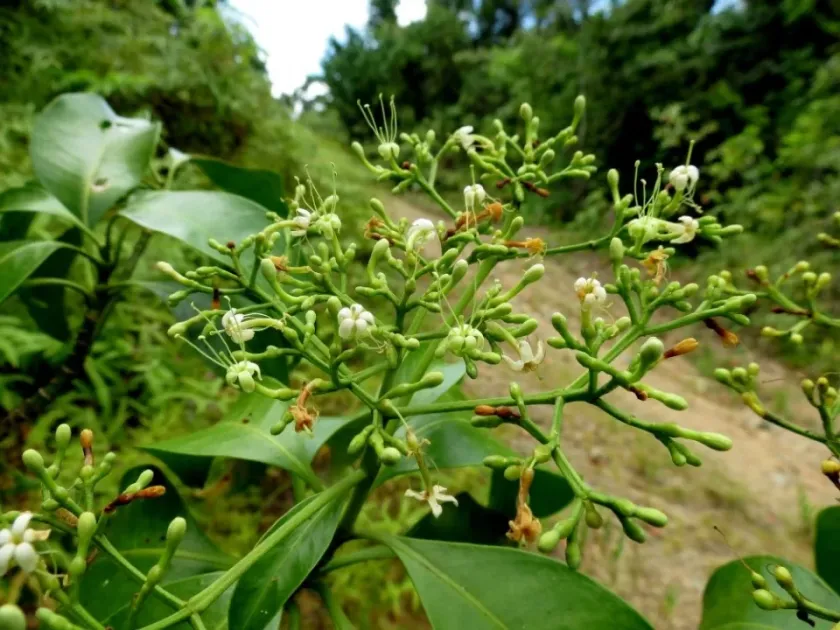
Description
Growing requirements
Fagraea elliptica is a significant plant species belonging to the Gentianaceae family. It is typically characterized by a robust growth habit, often starting its life cycle as an epiphyte in the canopy of tropical forest trees.
Native to the moist tropical regions of Southeast Asia, this species thrives in environments with high annual rainfall and consistent, warm temperatures. Its natural distribution is linked to dense rainforest ecosystems.
Successful cultivation requires well-draining, nutrient-rich soils that support deep root penetration. Water management is critical, as the plant cannot tolerate waterlogged soils, which often lead to immediate health issues.
The ideal climatic conditions for this crop involve temperatures between 22°C and 30°C. The plant requires shelter from strong, drying winds and prefers high levels of atmospheric humidity to maintain its metabolic functions.
Industrially, Fagraea elliptica is valued for its hard and durable timber, which is highly resistant to rot. Additionally, certain extracts from the plant have been utilized in traditional medicine, adding to its economic importance.
Main diseases and pests
Fungal infections remain a primary threat, particularly in environments where humidity is high and air circulation is insufficient for proper tree health.
Common pests such as scale insects and mealybugs can infest the foliage and succulent stems, significantly weakening the plant and stunting its growth.
Root rot, frequently caused by overwatering or poorly structured soil, is a critical issue that can jeopardize the survival of entire plantation blocks.
Nutrient deficiencies, specifically nitrogen or phosphorus, often present themselves as chlorosis, indicating an imbalance that requires immediate agronomic correction.
Implementing a rigid pruning schedule and integrated pest management systems is essential to minimize losses and ensure the productivity of the cultivation site.