
Fagraea ridleyi
Fagraea ridleyi
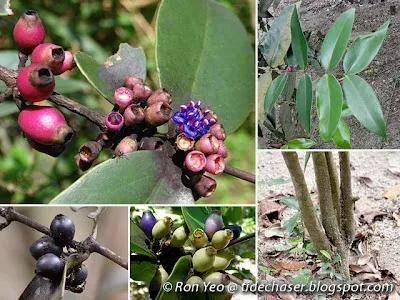
Description
Growing requirements
Fagraea ridleyi is an intriguing species belonging to the Gentianaceae family. Native to the tropical regions of Southeast Asia, it typically exhibits an epiphytic growth habit, thriving in humid forest environments by anchoring itself to larger woody hosts.
Climatic requirements for this species are strict, demanding a consistently warm environment without significant seasonal cooling. It is essential to replicate tropical forest conditions where temperatures remain steady throughout the year.
High relative humidity is essential for the survival and growth of Fagraea ridleyi. Cultivators should employ misting systems or humidity-controlled glasshouses to ensure that the foliage and aerial roots remain hydrated.
Soil or substrate requirements focus on aeration and drainage. As an epiphyte-leaning species, it performs best in loose, bark-based substrates or specialized mixtures that prevent waterlogging, which is a common cause of root rot.
Light management requires a balance between sufficient intensity for photosynthesis and protection from harsh direct solar radiation. Filtered light, often provided by canopy shade or artificial shading, is ideal for preventing leaf scorch.
Harvesting
In terms of agricultural and horticultural utility, Fagraea ridleyi is primarily utilized for its aesthetic value. Its unique morphology makes it a sought-after subject for conservatory collections and botanical research.
Cultural practices include periodic pruning to maintain plant shape and stimulate secondary growth. All tools used for maintenance must be sanitized to protect the plant from pathogens that thrive in high-humidity environments.
Propagation is generally performed through stem cuttings, requiring high humidity and controlled temperatures to encourage rooting. The process requires patience, as tropical species often have slow developmental cycles.
Nutrient management must be carefully calibrated. Unlike terrestrial crops, Fagraea ridleyi is sensitive to high salt accumulation in the substrate, necessitating the use of dilute, balanced fertilizers and regular flushing.
Monitoring for signs of pest pressure or nutrient imbalance is a regular part of the maintenance cycle. Early detection of environmental stress is crucial for maintaining the plant’s health and long-term viability in cultivation.