
Fagraea gracilipes
Fagraea gracilipes
Description
Growing requirements
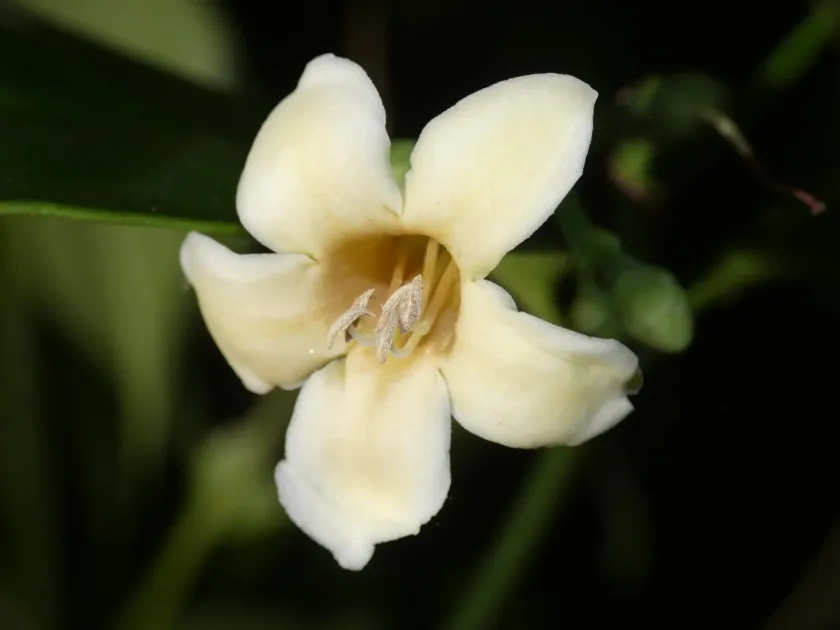
Fagraea gracilipes is a tropical evergreen tree belonging to the Gentianaceae family. Native to the Pacific islands, particularly within New Caledonia, this species is noted for its distinctive foliage and ecological significance in tropical forest ecosystems.
The plant thrives in stable tropical environments where temperatures remain consistently high. It requires a humid climate and is sensitive to frost and extreme cold, making it suitable only for outdoor cultivation in tropical and sub-tropical zones or in controlled greenhouse environments.
Soil requirements for Fagraea gracilipes include a well-drained, nutrient-rich medium. It prefers slightly acidic to neutral soils that mimic the forest floor composition, containing a mix of organic matter that allows for excellent moisture retention without becoming waterlogged.
Proper air humidity is essential for the healthy growth of this species. In cultivation, it performs best when sheltered from drying winds and direct, harsh sun, which can dehydrate the leaves and lead to scorched margins, negatively impacting the tree's overall health.
Agricultural management of Fagraea gracilipes emphasizes the need for a consistent water supply. Regular irrigation, combined with high atmospheric humidity, ensures that the plant develops a lush, dense canopy, which is one of its primary characteristics in landscaping.
Harvesting
The horticultural utility of Fagraea gracilipes is primarily decorative. It is frequently employed as an ornamental shade tree in tropical gardens and parks, providing structural beauty and a calming, lush aesthetic to the surrounding landscape.
Seed harvesting is conducted when fruits reach maturity. The seeds must be carefully cleaned and prepared for sowing, as the species relies on specific soil temperatures to achieve optimal germination rates after being planted in a controlled substrate.
The wood of this tree is recognized for its durability and resistance to rot in humid conditions. Historically, it has been used in small-scale local craftsmanship for creating durable wood products, though widespread commercial logging is generally not practiced.
Maintenance pruning is recommended to ensure the long-term structural integrity of the tree. By removing dead or crossing branches, arborists can increase light penetration and airflow, which is critical for preventing the onset of moisture-related decay.
Propagation is typically achieved through seeds or stem cuttings. Success in propagation requires an understanding of the plant's specific root-hormone requirements and the use of rooting media that remains moist while providing adequate oxygen to the developing root system.