
Avalanche lily
Erythronium montanum
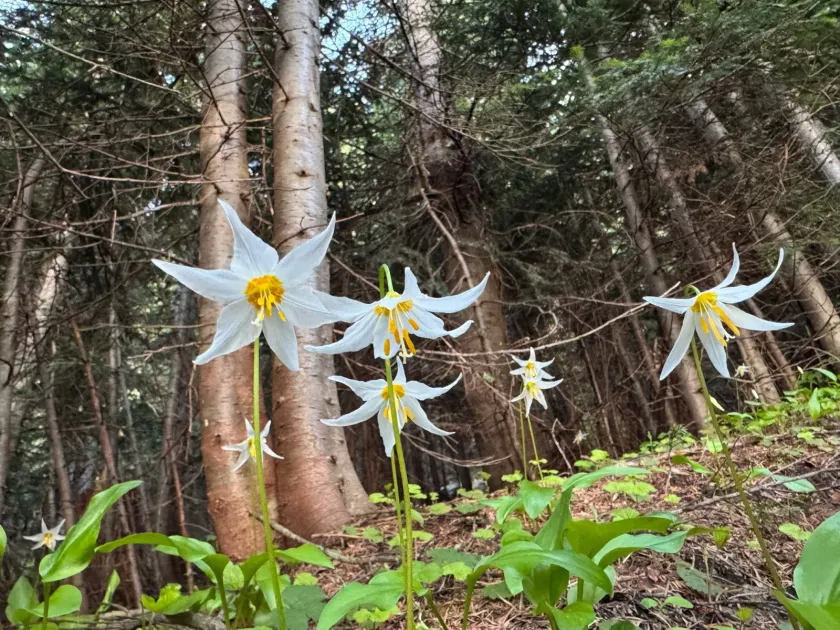
Description
Growing requirements
Avalanche lily (Erythronium montanum) is a perennial bulbous plant belonging to the Liliaceae family. Native to the mountain ranges of the Pacific Northwest, it is highly valued in specialty horticulture for its pristine beauty and alpine characteristics.
The plant thrives in cool, temperate climates, mimicking its natural alpine environment. It is best suited for rock gardens where soil temperature remains relatively low and root protection from excessive summer heat is ensured.
Proper soil management is critical; the medium must be well-drained, porous, and rich in humus to support healthy bulb development. Avoiding heavy, water-retentive substrates is essential to prevent physiological stress and bulb rot during dormancy.
The growth cycle is characterized by rapid development in spring, synchronized with the snowmelt. Cultivators must ensure moisture availability throughout the growing phase while gradually reducing water levels as the foliage begins to senescence.
Morphologically, the Avalanche lily features lanceolate leaves and tall stems topped with large, white, lily-like flowers. This specific architecture demands consistent care, particularly regarding site selection where light intensity can be filtered during the hottest parts of the day.
Main diseases and pests
Fungal pathogens represent the most significant threat to the health of the bulb. High soil moisture, especially during the summer dormancy period, often leads to Fusarium wilt or grey mold, which can rapidly destroy the root system.
Soil-borne pests such as wireworms and various species of nematodes can cause mechanical damage to the bulb tissues. These lesions become entry points for opportunistic pathogens, leading to stunted growth or total plant failure.
Small mammals, particularly voles and mice, are known to consume the nutrient-rich bulbs during the dormant season. Implementing physical barriers, such as underground wire cages, is a standard protective practice in managed landscapes.
Poor site management, including soil compaction, can restrict oxygen flow to the bulbs and worsen the impact of pathogens. Regular monitoring for yellowing or wilting leaves is necessary to detect early stages of environmental or biological stress.
Successful management relies on preventive fungicide applications and soil sanitation. Maintaining a balanced environment with optimal drainage and appropriate organic soil amendments remains the most effective strategy for ensuring crop longevity.