
Epichloe festucae
Epichloe festucae Leuchtm., Schardl & M.R. Siegel
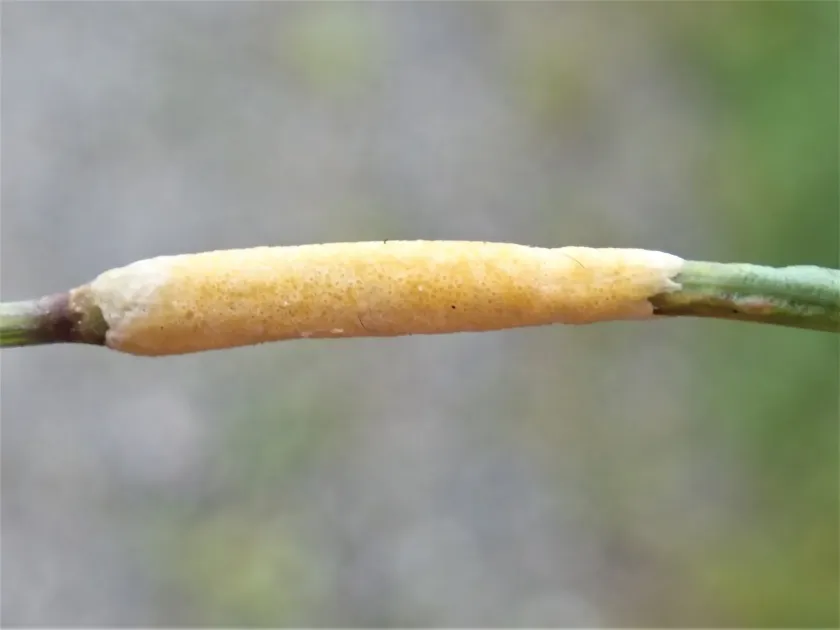
Description
Growing requirements
Epichloe festucae is a specialized endophytic fungus that forms a symbiotic relationship with cool-season grasses, particularly within the family Clavicipitaceae. This organism lives entirely within the intercellular spaces of the plant tissues.
The natural range of this fungus covers temperate regions across Europe, Asia, and North America, corresponding with the native habitats of its host, the red fescue. It has evolved to survive in diverse environmental conditions.
Growth requirements for the fungus are intrinsically linked to the metabolic state of the host plant. It relies on the flow of nutrients within the apoplast of the grass to maintain its cycle of vertical transmission through seeds.
Soil quality is a secondary concern for the fungus itself, but it significantly affects the host's ability to provide the necessary carbohydrates to the endophyte. Optimal soil conditions for the host usually support a healthy fungal population.
Agrotechnical management requires avoiding the use of systemic fungicides that can penetrate the seed embryo. Such chemicals often eliminate the fungal symbiont, effectively converting the infected plant into an endophyte-free state.
Main diseases and pests
The primary threat to the survival of Epichloe festucae is improper seed storage conditions, specifically high moisture and temperature levels. These factors significantly reduce the viability of the fungal hyphae within the seed.
Herbivorous pests are deterred by the chemical defenses produced by the fungus. The synthesis of specific alkaloids, such as lolines or peramine, renders the host tissues unpalatable or toxic to various insect species.
Host plants infected with this endophyte exhibit increased tolerance to fungal pathogens like rusts and powdery mildew. The fungus acts as a biological trigger for the plant's natural defense mechanisms.
Environmental stress, such as severe drought or nutrient deficiency, poses a risk not only to the plant but also to the stability of the symbiosis. If the host plant declines significantly, the endophyte may also suffer.
Monitoring for endophyte presence is crucial in forage and turfgrass industries. Diagnostic tests, such as microscopic analysis or ELISA, are used to ensure the quality and resilience of grass seeds before planting.