Description
Sowing dates
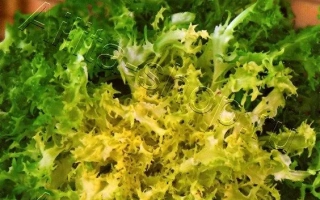
Endive (Cichorium endivia L.) belongs to the Asteraceae family. It is typically direct-sown in the garden, as it does not transplant well due to its tendency to bolt under stress. Seeds should be planted when soil temperatures reach at least 10–15°C.
For a continuous harvest, succession planting is recommended every two to three weeks throughout the growing season. This ensures a steady supply of fresh, crisp leaves for salads throughout the spring and autumn months.
Sow seeds shallowly, at a depth of about 1 cm, and keep the soil consistently moist until germination occurs. Thinning the seedlings to the proper spacing is essential to prevent overcrowding, which can hinder proper leaf development.
Optimal spacing is approximately 25–30 cm between plants within rows, with rows spaced 40 cm apart. Proper airflow is critical to prevent the accumulation of moisture, which can lead to fungal issues.
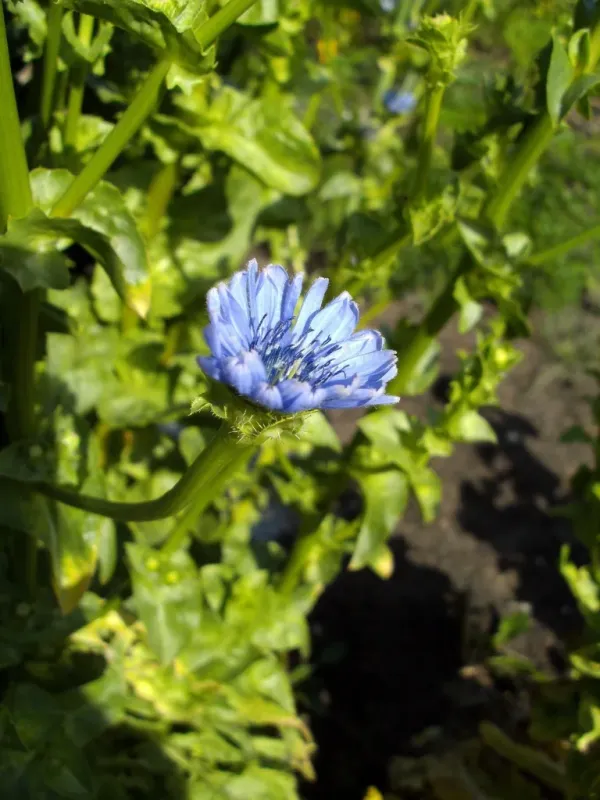
In regions with extremely hot summers, it is best to time the sowing so that the crop matures during the cooler weather of autumn, as high temperatures often trigger premature flowering.
Growing requirements
Endive thrives in well-drained, fertile soil rich in organic matter. A soil pH between 6.0 and 7.0 is ideal for maximizing nutrient uptake and ensuring the overall health of the crop during its vegetative growth phase.
While the plant requires full sun for optimal photosynthesis, some afternoon shade in warmer climates can help prevent the leaves from becoming excessively bitter. Consistent moisture is the key to producing tender leaves.
Irrigation should be regular and deep, ensuring that the soil remains moist but not waterlogged. Mulching can help maintain soil moisture levels and suppress weeds, reducing the competition for nutrients.
To reduce bitterness, endive is often blanched. This involves gathering the outer leaves and tying them together or covering the head with a light-proof material about two weeks before the planned harvest.
The plant is relatively hardy but does not tolerate prolonged frost. Covering the crops with frost blankets during late autumn can extend the harvest season by several weeks in temperate climates.
Main diseases and pests
The most common disease affecting endive is powdery mildew, which appears as a white dusty coating on the leaves. Providing adequate space between plants is the best preventative measure against this pathogen.
Slugs and snails are the most significant pests, particularly during damp weather. They can destroy young seedlings overnight, so using protective barriers or organic baits is often necessary in infested garden areas.
Aphids may cluster on the underside of leaves, causing yellowing and stunted growth. Regular inspection and the application of neem oil or insecticidal soap can effectively control these infestations.
Tipburn, a physiological disorder characterized by necrotic leaf margins, is often caused by calcium deficiency combined with erratic watering. Maintaining consistent irrigation practices usually prevents this issue.
To minimize disease pressure, avoid planting endive in the same location as other members of the Asteraceae family more than once every three years. This prevents the buildup of soil-borne diseases.
Harvesting
Harvesting usually begins 80 to 100 days after sowing, once the plant has developed a full, dense head. The leaves should be firm and tightly packed at the center of the rosette.
Cut the entire plant at the base, just below the soil line, using a sharp knife. If the plant has been blanched, it should be harvested promptly once the desired level of tenderness is achieved.
Post-harvest handling is critical, as endive wilts quickly after being cut. It is best to wash the leaves, dry them thoroughly to remove excess moisture, and store them in the refrigerator immediately.
For commercial storage, endive should be kept in high-humidity conditions at near-freezing temperatures. Proper packaging helps retain freshness and prevents mechanical damage during transport to the market.
Always inspect the harvest for signs of decay or pest damage before packaging. Removing any damaged outer leaves ensures that the final product remains attractive and appetizing for the consumer.
Content graph
Connections · Endive
Most often together:
Marketplace
Products · 18