
Witloof Chicory
Cichorium intybus L. (Witloof Chicory Group)
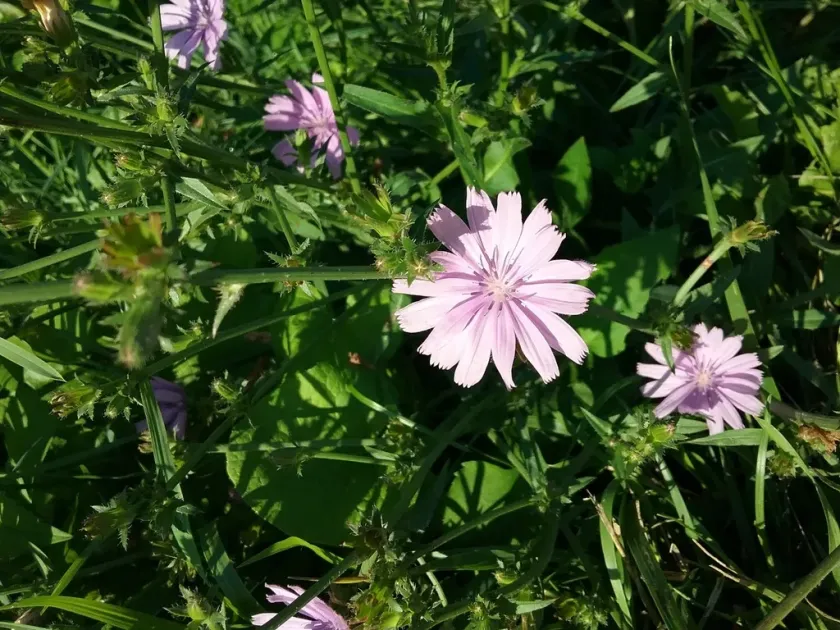
Description
Sowing dates
Witloof chicory (Cichorium intybus L.) is a perennial plant of the Asteraceae family, valued primarily for its forced, pale-colored buds known as chicons. It is grown as a biennial crop.
Seeds are sown in the field during late spring or early summer. Early sowing must be avoided to prevent bolting, as flowering in the first year renders the roots unsuitable for forcing.
The crop requires fertile, well-drained soil with a light texture to ensure the development of uniform, straight taproots. Rows should be spaced 30–40 cm apart for easy maintenance.
Thinning is a mandatory step, leaving plants 15–20 cm apart. Adequate spacing allows the root system to accumulate sufficient carbohydrates, which are essential for high-quality chicon growth.
Summer care focuses on weed control and consistent moisture. Stress during the growing phase can result in woody or bitter roots, which negatively impacts the final forcing result.
Growing requirements
Witloof chicory thrives in deep, loose soils. Excessive nitrogen fertilization should be avoided as it stimulates leaf growth at the expense of root quality and storage potential.
In autumn, before the first hard frosts, the roots are harvested. The foliage is trimmed back to the crown, and the roots are cleaned and prepared for the cold storage phase.
Forcing must occur in complete darkness. Light exposure causes chicons to turn green and increases the production of intybin, which creates an undesirable, intense bitterness.
The roots are placed vertically in containers filled with sand, peat, or specialized forcing substrate. Temperature management is key, with an optimal range of 12–16 degrees Celsius.
High humidity must be maintained throughout the forcing period to ensure rapid growth and tenderness. Ventilation is necessary to prevent the buildup of pathogens during the 3–4 week forcing cycle.
Yield
The potential yield is directly proportional to the size and weight of the roots harvested in the field. A healthy root typically produces one high-quality chicon.
Professional forcing operations can achieve impressive yields per square meter by stacking containers in vertical climate-controlled rooms or specialized cellars.
Harvesting is performed by cutting the chicons at the base. A standard marketable chicon is 12–15 cm in length, firm, and creamy-white in color, often with a slight yellow tinge at the tips.
Quality control during harvest involves removing damaged or diseased buds. The product should be handled gently to avoid bruising, as the tender leaves are highly susceptible to physical damage.
Post-harvest shelf life is extended by keeping the chicons in cold storage at approximately 2–4 degrees Celsius. Proper packaging helps maintain crunchiness for several weeks.
Main diseases and pests
Wireworms represent a significant threat in the field, as they bore into the taproots, causing structural damage and facilitating the entry of soil-borne fungi and bacteria.
Aphid infestations on the foliage can weaken the plant, affecting the overall energy storage in the roots. Proper monitoring and early intervention are essential for healthy crop development.
Grey mold (Botrytis) is the most destructive disease during the indoor forcing phase, especially when ventilation is poor and humidity levels are too high.
Bacterial soft rot can occur if roots are damaged during harvest or if they are stored in conditions that do not allow for adequate airflow and cooling.
Crop rotation is critical to managing soil-borne diseases. Avoiding fields where chicory or related crops were grown in the previous three years is a standard agricultural practice.