
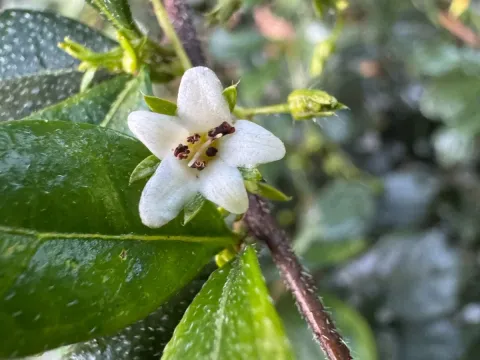
Ehretia
Ehretia P. Browne
Ehretia P. Browne is a genus of shrubs and trees belonging to the Boraginaceae family. These plants are native to the tropical and subtropical regions of Africa, Asia, and Australia, flourishing in diverse warm climates.
What the section contains

Ehretia
The ideal growing conditions for Ehretia involve well-drained, fertile soil with a slightly neutral pH level. While the plants are hardy, they respond best to consistent moisture during the establishment phase.
Climate requirements for this culture include high average temperatures throughout the year. They are susceptible to frost and thrive in zones where the temperature remains between +20°C and +30°C.
Exposure to full sunlight is critical for optimal growth and flowering. Although they can tolerate partial shade, insufficient light often results in elongated, weak branches and lower fruit production.
Good agricultural practice for this genus includes routine pruning to shape the canopy, regular soil aeration, and the application of balanced organic fertilizers to support rapid biomass accumulation.
Ehretia serves several economic purposes. The timber of certain species is highly prized for its durability and grain pattern, making it a sustainable choice for fine woodwork and carpentry.
The fruits of several species are edible, providing a source of nutrition. Their harvest is common in local community forestry projects, contributing to food security in tropical regions.
The plant is extensively used in agroforestry to prevent soil erosion. Its deep, fibrous root system stabilizes soil structures, making it an excellent candidate for land rehabilitation.
Foliage is frequently utilized as emergency fodder for livestock, as it maintains nutritional value even during prolonged dry seasons when other forage sources are limited.
Ornamentally, Ehretia is favored for its beautiful, often fragrant flowers. It is widely used in urban landscaping and botanical gardens due to its low maintenance needs after maturity.
The plant is generally resilient, yet it may suffer from root rot if drainage is poor. Ensuring the soil does not stay waterlogged is the primary defense against soil-borne pathogens.
Pests such as aphids and leaf-eating beetles can infest the young foliage. Regular scouting is recommended to catch infestations before they escalate into significant damage.
Spider mites can occasionally be a problem in arid, dusty conditions. Periodic misting of the foliage or improving local humidity levels can mitigate this risk.
Preventative measures include maintaining clear space around the trunk and removing debris that could harbor fungal spores or insect larvae.
In cases of significant pest outbreaks, using neem-based oils or other integrated pest management (IPM) strategies is highly effective without disrupting the local ecosystem.