
Walter's millet
Echinochloa walteri
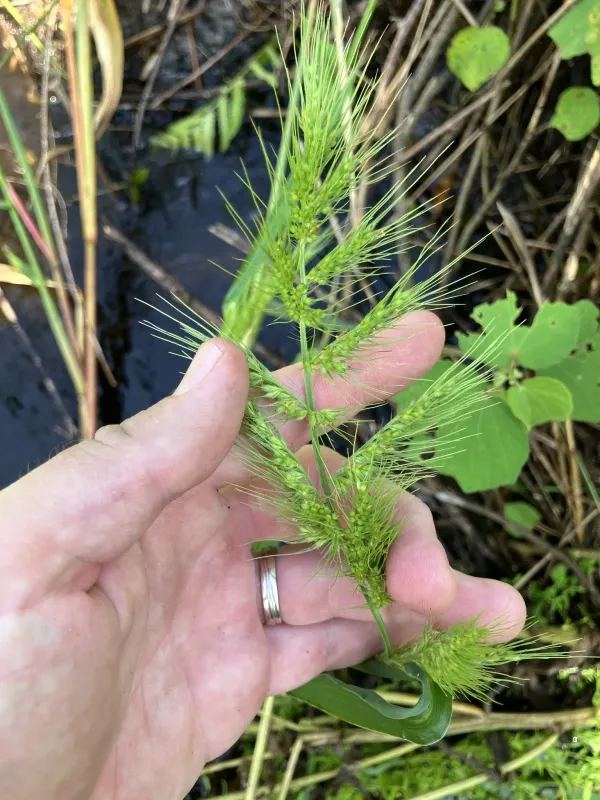
Description
Sowing dates
Walter's millet, belonging to the Poaceae family, is a warm-season grass that thrives in high-temperature conditions. Seeding is ideally performed when soil temperatures reach 15–18°C, which typically occurs in late spring or early summer.
The seeds require sufficient moisture for rapid germination and should be sown at a shallow depth, ideally 1–2 centimeters, to ensure proper soil contact. Precision seeding helps maintain uniform stands and reduces the need for thinning.
Row planting is recommended to facilitate weed control and ensure each plant has adequate space for vegetative development. Dense planting should be avoided as it leads to increased competition and weaker stems.
Prior to sowing, the soil must be well-prepared to ensure a fine seedbed. Smoothing the field surface is essential for consistent emergence and future mechanical operations.
Since the plant is sensitive to frost, scheduling the sowing date after the danger of late spring frosts has passed is critical for crop establishment. In regions with long growing seasons, staggered planting can be utilized.
Growing requirements
This species is highly adapted to moist environments and is frequently found in nature near water bodies or in periodically flooded grasslands. It possesses high tolerance to waterlogged soil conditions.
Walter's millet performs best in fertile, organic-rich soils with a neutral to slightly acidic pH. The crop responds positively to nitrogen applications, which enhance tiller production and overall biomass yield.
Solar radiation is a key factor for the plant's growth, as it requires high light levels for efficient photosynthesis. Optimal performance is achieved in open, sunny field locations.
While tolerant of wet soils, the plant remains susceptible to severe drought stress, which can lead to significant yield reductions. Supplemental irrigation is advisable in areas with erratic rainfall.
The plant can be used as a soil reclamation crop on heavy, poorly drained soils where other common cereal crops fail. Its ability to thrive in wet conditions makes it a valuable asset for specific agricultural zones.
Yield
The agricultural value of Walter's millet lies primarily in its use for livestock forage and high-quality hay production. It is known for producing a large volume of foliage that is rich in nutrients.
Under favorable moisture and temperature conditions, multiple cuttings can be harvested during a single growing season. Foraging efficiency is maximized when the plant is harvested in the early heading stage.
Seed production is another potential use, as the plant shows robust seed yield in optimal seasons. Careful timing is necessary to prevent premature seed shattering at the time of maturity.
Biomass output is highly dependent on nitrogen management and effective weed control. When all agronomic requirements are met, Walter's millet is a consistent and productive crop option.
Integration into existing farm management systems allows for a sustainable forage supply, particularly for farms located in low-lying, moisture-rich territories.
Main diseases and pests
Pathogenic threats include various smut fungi and rusts, which thrive in humid conditions. Using certified, fungicide-treated seeds is the standard preventative measure against these diseases.
Pests such as wireworms may damage the roots during the establishment phase. Monitoring the soil and practicing proper field preparation are essential to minimize the impact of soil-borne insects.
Broadleaf weed competition can significantly suppress crop growth in the early stages. Mechanical cultivation or registered herbicides are necessary tools to maintain field cleanliness.
Insects that feed on foliage or sap can impact photosynthetic efficiency during hot, dry spells. Integrated pest management strategies should be employed to keep populations below economic injury levels.
Following a strict crop rotation helps in breaking the pest life cycle and maintaining soil health. A clean field environment is the best defense against major agricultural threats to this crop.
Harvesting
For green fodder, harvest should occur when the plant reaches its peak nutritional value, specifically before seed formation. This ensures optimal digestibility and palatability for livestock.
When producing hay, effective mechanical tedding is required to speed up the drying process of the thick stems. Proper moisture management during drying is key to maintaining quality and preventing mold.
Grain harvest is performed via direct combining when the plants reach full maturity. Because of the seed-shattering nature of the grass, the harvest window must be precisely managed.
Post-harvest processing involves cleaning the grain to remove field debris and drying it to safe moisture levels for storage. Dry, well-ventilated storage facilities are required to maintain seed viability.
Technological improvements in harvesting equipment have significantly reduced losses, making Walter's millet a more viable crop. Proper machine calibration is essential for efficient grain separation.