
Echinochloa haploclada
Echinochloa haploclada
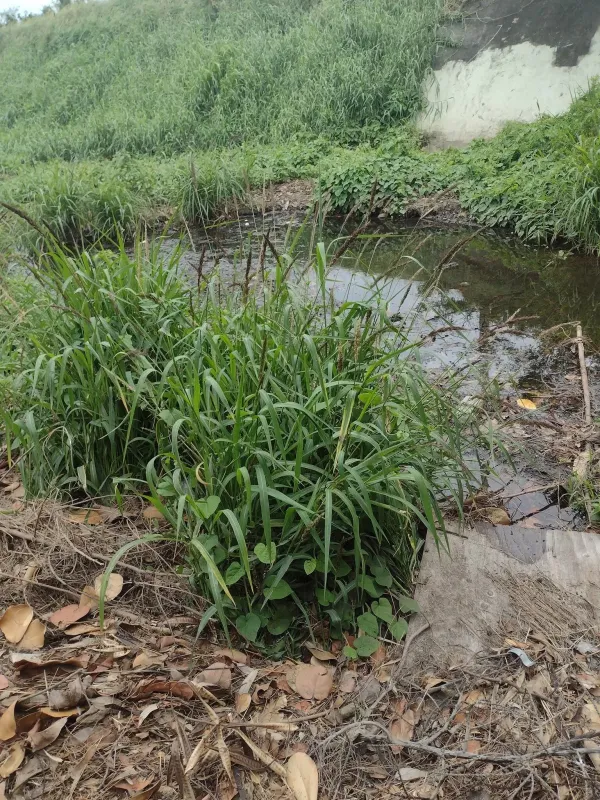
Description
Sowing dates
Echinochloa haploclada is a warm-season grass that thrives when planted in well-warmed soil. Sowing should commence in late spring once the soil temperature is consistently above 15°C to ensure rapid germination.
Seed depth should be kept shallow, typically around 1-2 centimeters, to allow the small seeds to access adequate light and moisture. Proper seeding depth is critical for establishing a uniform and healthy plant stand.
The seeding rate should be carefully calibrated based on the intended use, whether for green forage or seed production. A uniform distribution across the field is essential for minimizing competition between individual plants.
Compaction of the soil after sowing using light rollers can significantly improve germination rates by enhancing the capillary contact between the seeds and the soil moisture. This step is particularly vital in drier regions.
Effective stand establishment relies on selecting high-quality, disease-free seed batches. Proper preparation of the seedbed ensures that seedlings face minimal competition from weeds during their most vulnerable growth stage.
Growing requirements
This crop requires full sun exposure to achieve its maximum biomass potential. Shaded areas often result in stunted growth and a significant reduction in the total protein content of the foliage.
While adaptable to various soil types, Echinochloa haploclada prefers deep, fertile soils with good moisture-holding capacity. It performs exceptionally well in temperate and tropical regions with sufficient rainfall.
Moisture availability is the primary factor influencing yield during the vegetative growth stage. The plant demonstrates high water usage efficiency, making it suitable for floodplains and areas with high water tables.
Temperature requirements are centered around warm conditions, with optimal growth occurring between 20°C and 30°C. It is highly sensitive to frost, which effectively terminates the growing season for this crop.
Soil nutrient management should focus on adequate nitrogen application to support rapid leafy growth. Phosphorus and potassium are also essential for strengthening root development and improving resistance to environmental stressors.
Main diseases and pests
Cereal flies and aphids are among the primary pests that can infest Echinochloa crops. Regular monitoring of fields during the early growth stages is essential for identifying these threats before significant damage occurs.
Fungal diseases, including rust and smut, can affect the crop under high humidity conditions. Implementing crop rotation practices and ensuring adequate field drainage are effective methods for reducing disease incidence.
Weed management is most critical during the first few weeks after emergence. Employing proper pre-sowing tillage techniques significantly reduces the weed seed bank, decreasing the need for chemical intervention.
In cases of high infestation, integrated pest management (IPM) strategies, including the use of targeted biological controls, should be prioritized. Chemical applications should be used only as a last resort and within agricultural guidelines.
Keeping the crop healthy through balanced nutrition makes it naturally more resistant to common pests. Strong plants are better able to recover from minor pest damage compared to nutrient-deficient crops.
Harvesting
Harvesting for forage should occur during the late boot stage, which provides the best balance between biomass yield and nutritional quality. This timing ensures that the forage remains palatable and digestible for livestock.
For seed harvesting, the crop should be cut when the grains reach maturity and begin to lose their green color. Timing is essential, as the seeds may easily shatter if left on the stalk for too long.
The use of combine harvesters with adjusted settings is standard for large-scale production. Proper machine calibration minimizes seed loss and prevents mechanical damage to the harvested grain or biomass.
Post-harvest processing involves rapid drying to reach a moisture content below 14%. This stage is critical for preventing spoilage and maintaining the viability of seeds intended for future planting.
Efficient storage in a dry, ventilated area protects the harvest from pests and fungal growth. Proper maintenance of the storage environment ensures that the quality remains high throughout the off-season period.