
Jungle rice
Echinochloa colonum
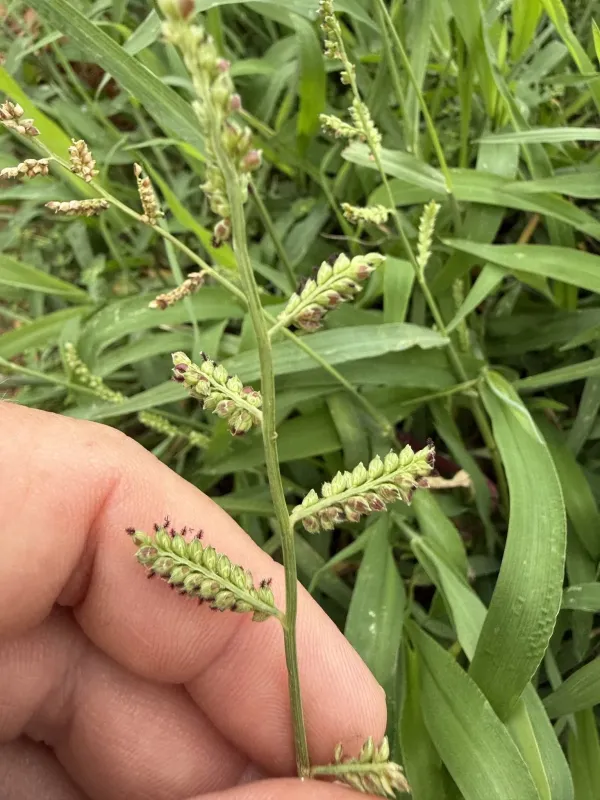
Description
Sowing dates
Jungle rice (Echinochloa colonum) is a fast-growing annual grass often cultivated in tropical and subtropical climates. Sowing typically takes place at the onset of the rainy season to capitalize on moisture availability for germination.
The seeds are relatively small and should be sown at a shallow depth of 1 to 3 centimeters. Proper soil preparation, including fine seedbed cultivation, is essential to ensure uniform emergence and strong seedling establishment.
Planting methods vary from broadcasting in traditional farming systems to row planting in modernized agricultural setups. Row planting is generally preferred as it allows for better weed control and mechanical inter-row cultivation.
The timing of sowing is critical, as the crop requires a consistent supply of heat and moisture during the initial development phases. In irrigated systems, sowing can be staggered to maximize land utilization throughout the year.
The seeding rate must be carefully calibrated based on the intended use; higher densities are often used for forage crops, while lower densities are standard for grain production to reduce inter-plant competition.
Growing requirements
This grass thrives in warm, humid conditions and is highly sensitive to frost. It shows remarkable adaptation to heavy, waterlogged soils, often outperforming other cereals in conditions of temporary inundation or poor drainage.
Jungle rice is a heliophilic species, meaning it requires full sun exposure to reach its maximum yield potential. Shaded environments, such as those found near dense canopy cover, significantly hinder growth and grain development.
Regarding soil fertility, while it can survive in poorer soils, it shows a significant response to nitrogenous fertilization. Balanced nutrient management is key to preventing excessive vegetative growth at the expense of grain yield.
Weed management is arguably the most vital agronomic requirement during the first month of growth. Since seedling vigor can be moderate, timely removal of competing weeds is essential to ensure the crop establishes dominance.
Field drainage should be managed effectively despite the plant's tolerance to water. Stagnant water for prolonged periods can increase the risk of root-zone pathogens, necessitating a balance between hydration and aeration.
Yield
The yield of Echinochloa colonum is largely determined by the availability of water during the transition from vegetative growth to reproductive stages. Under ideal conditions, it produces a high volume of nutritious seeds.
The grain is highly valued for its nutritional profile, providing a source of carbohydrates and protein. It is widely used in human diets in various regions and serves as a reliable animal feed source as well.
In forage production systems, yields can be maximized through multiple cuts per season. By harvesting before seed set, farmers can obtain several high-quality crops of green biomass from a single planting.
Modern breeding efforts have aimed to increase the uniformity of ripening in cultivated strains. Historically, wild populations exhibit high shattering rates, which makes early harvest timing crucial to minimize field losses.
Overall, the crop offers high resource-use efficiency, making it an economically viable option for farmers in low-input farming systems where resilience to environmental stress is a priority.
Main diseases and pests
The crop is susceptible to various pests, including leaf-feeding beetles, grasshoppers, and aphids. These insects can cause significant damage to young seedlings, often necessitating integrated pest management strategies.
Fungal diseases, specifically grain smut and rusts, pose the most significant threat to harvest quality. These pathogens thrive in high-humidity environments, making proper airflow and crop rotation essential for control.
Viral diseases, often transmitted by insect vectors like aphids or leafhoppers, can cause stunted growth and yellowing. Regular field monitoring is required to identify and remove infected plants before the disease spreads.
Integrated weed management is necessary not only for competition reasons but because many weed species act as alternative hosts for pests and diseases that affect Jungle rice. Maintaining field sanitation is a standard practice.
Chemical control should be used judiciously, prioritizing products with low residual effects to protect beneficial insects and maintain the safety of the grain for both human and animal consumption.
Harvesting
Harvesting for grain should be executed when the panicles have turned a mature color and the seeds are firm. Premature harvest results in high moisture content, which complicates drying and increases the risk of mold during storage.
Mechanical harvesting requires precise adjustments to the combine settings to ensure clean threshing without crushing the grains. For smallholder farmers, traditional methods such as scything and manual threshing remain common.
Post-harvest processing involves thorough cleaning to remove chaff, dust, and non-grain material. Drying the grain under the sun until moisture levels reach 12-13% ensures long-term storage stability without quality degradation.
When harvesting for forage, the timing is shifted to the pre-flowering stage. This ensures that the biomass is tender, highly digestible, and rich in nutrients, which are key requirements for livestock feed.
Proper storage in dry, well-ventilated silos or containers is vital to prevent pest infestation. Maintaining low moisture and stable temperatures protects the nutritional integrity of the harvest for future use.