
Smooth barnyard grass
Echinochloa glabrescens
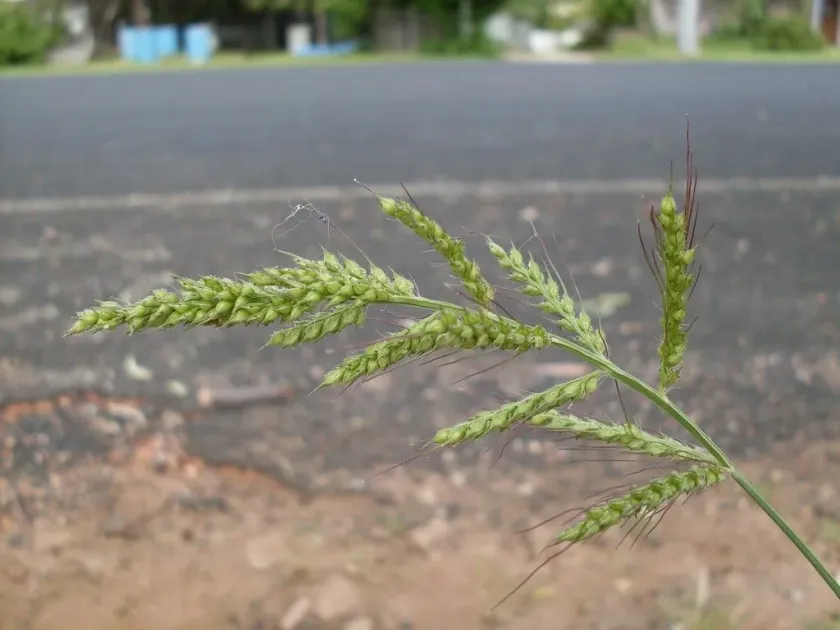
Description
Sowing dates
Smooth barnyard grass (Echinochloa glabrescens) is an annual cereal crop belonging to the Poaceae family. It is known for its rapid growth cycle and high biomass potential, making it a viable option for forage production in specific environments.
The optimal sowing time occurs when the soil temperature consistently reaches 12–15 degrees Celsius. Adequate soil moisture is essential during the germination period to ensure uniform stand establishment across the field.
Seed depth should be maintained at approximately 2–3 centimeters, as this allows for optimal root development while preventing seed rot. A well-prepared seedbed is crucial for achieving high germination rates and robust seedling vigor.
Due to its quick early-stage development, this grass is highly competitive against weeds, effectively suppressing undesirable vegetation. Farmers often sow it in rows to facilitate easier field maintenance and moisture management.
Successive planting schedules can be implemented in irrigated fields to provide a continuous supply of green forage. This tactical approach maximizes the land utility throughout the warmer growing months.
Growing requirements
This species thrives in well-lit areas and shows remarkable adaptability to waterlogged soils, which are often unfavorable for other cereal crops. It performs exceptionally well in riparian zones or low-lying agricultural areas.
The plant prefers fertile, nutrient-rich soils with a slightly acidic to neutral pH level. It benefits significantly from organic matter, which enhances the soil structure and moisture retention capacity during drier periods.
An ideal temperature range for active growth is between 20 and 28 degrees Celsius. The crop is susceptible to early-season frost, so regional climate monitoring is essential for determining the safest sowing windows.
Agricultural management should prioritize nitrogen-based fertilization to boost vegetative growth. Regular irrigation is recommended, especially in regions with erratic rainfall patterns, to maintain stable biomass production.
Proper field drainage should be considered to prevent stagnant water from promoting unwanted pathogens. However, the plant's natural tolerance to wet conditions gives it an advantage over competing forage grasses.
Yield
The yield of Smooth barnyard grass depends heavily on nitrogen fertilization and consistent water availability throughout the season. Under optimal conditions, it can produce a substantial amount of green fodder.
Productivity typically ranges from 25 to 40 tons of green mass per hectare in irrigated environments. This makes it an efficient crop for intensive livestock production systems seeking high-volume feed.
Maximizing yield also requires harvesting at the precise developmental stage to ensure high protein content. Farmers often perform multi-cut harvests, which allow for a higher total seasonal output of green matter.
Seed yield varies depending on the maturity phase and harvesting equipment efficiency. Minimizing grain loss during the harvesting phase is critical for maintaining overall farm productivity and seed quality.
The grass also serves as an excellent crop for soil recovery, as its deep root system can improve soil aeration. Evaluating the total dry matter production helps farmers calculate the necessary livestock feed requirements.
Main diseases and pests
Fungal diseases such as rust and smut are the primary threats, especially in areas with high humidity and poor ventilation. Preventive fungicide applications are recommended during periods of heavy rainfall.
Insect pests, including cereal flies and aphids, can damage young shoots and significantly reduce early-stage biomass. Regular field scouting is necessary to trigger timely insecticidal interventions.
Over-fertilization with nitrogen can lead to plant lodging, which complicates harvesting operations and creates favorable conditions for mold growth. Precise nutrient management is therefore vital for a successful crop.
Invasive weeds can pose a threat during the initial growth phase, requiring careful monitoring. Utilizing certified seed and keeping fields free of prior-year plant debris reduces the risk of pest outbreaks.
Biosecurity measures, such as cleaning equipment between fields, are essential for preventing the spread of diseases. A well-managed crop is significantly more resistant to these various environmental and biological pressures.
Harvesting
Harvesting for green feed should be completed before the plants reach the flowering stage. At this point, the grass provides the highest nutritional value and is most palatable for livestock consumption.
For hay production, the crop should be mowed at the booting to early heading stage. This provides the ideal balance between biomass quantity and the fiber quality necessary for high-grade forage.
Proper mowing technique is vital for encouraging rapid regrowth of the plants. Using sharp mower blades ensures a clean cut, minimizing plant stress and preventing potential disease entry through damaged stems.
If harvesting for seeds, the process should commence during the wax-ripening stage. Modern combine harvesters require precise drum speed settings to prevent grain breakage and maximize clean seed recovery.
Post-harvest processing involves drying the material until moisture levels drop below 14 percent for safe storage. Properly stored hay or grain maintains its nutritional integrity throughout the winter feeding period.