
Rice barnyard grass
Echinochloa oryzicola
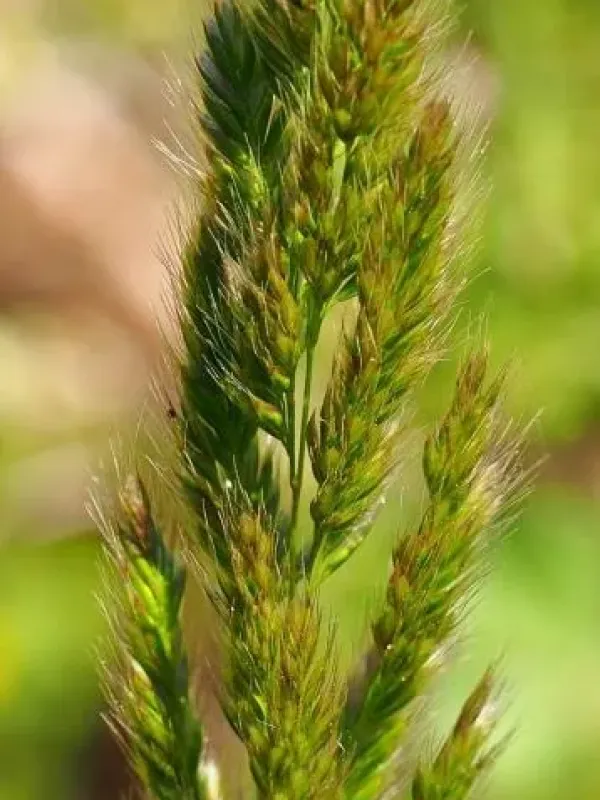
Description
Growing requirements
Rice barnyard grass (Echinochloa oryzicola) is a highly aggressive grass species belonging to the Poaceae family. It is a specialized weed that has evolved to mimic the growth patterns of rice, making it one of the most challenging obstacles in global rice production.
Originating in Southeast Asia, this species has spread to virtually every region where paddy rice is cultivated. Its ability to thrive in flooded environments allows it to occupy the same ecological niche as the rice crop, intensifying the competition for essential nutrients.
Botanically, it is characterized by high tillering capacity, a fibrous root system, and a panicle inflorescence. Its morphological similarity to rice during the vegetative stage is a key survival strategy, as it often escapes manual weeding efforts during early development.
The climate requirements for this plant include stable, warm temperatures and consistently waterlogged soil conditions. It is highly thermophilic and typically germinates when soil temperatures rise above 20 degrees Celsius, which perfectly aligns with the optimal conditions for rice seedlings.
Effective agrotechnology to manage this weed involves precise water management practices, such as maintaining a consistent water level to inhibit germination, combined with strict seed cleaning protocols. Using certified rice seeds is critical to preventing the initial infestation of fields.
Main diseases and pests
The primary threat posed by rice barnyard grass is the significant reduction in crop yield due to resource competition. Left unchecked, the weed can dominate the field, shading the rice plants and absorbing nitrogen and phosphorus, which leads to stunted growth of the main crop.
The weed serves as an alternative host for various rice pathogens, including blast disease (Magnaporthe oryzae). Because the weed shares similar biological pathways with rice, these diseases can easily jump from the weed population to the crop, leading to severe outbreaks.
Pests that inhabit this grass include various species of stem borers and leafhoppers. These insects often utilize the weed as a shelter during the early season before migrating to the rice crop, complicating the pest management schedule for the entire field.
The presence of this grass increases the cost of chemical control, as growers are forced to use multiple herbicide applications to keep populations low. This often leads to the development of herbicide-resistant weed biotypes, further complicating long-term management strategies.
To mitigate these threats, integrated weed management (IWM) is essential. This includes crop rotation, where possible, the use of stale seedbed techniques, and the application of herbicides with different modes of action to prevent the evolution of resistance within the weed population.